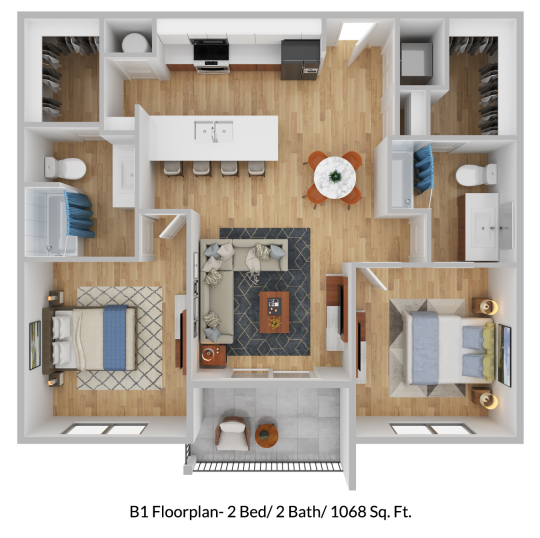
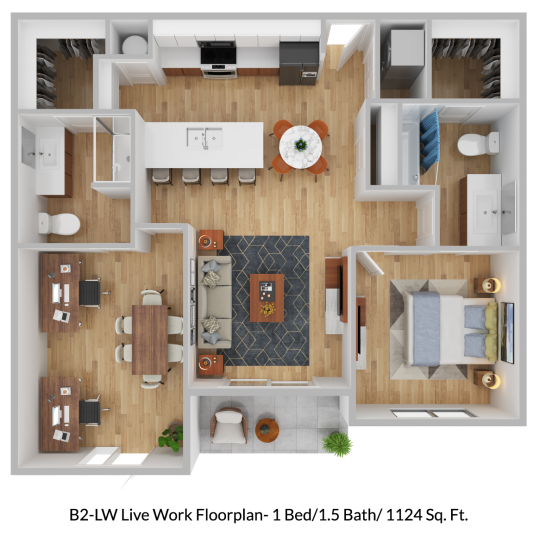
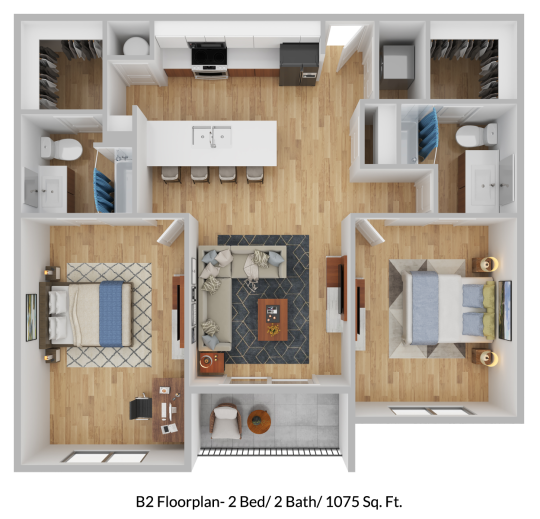
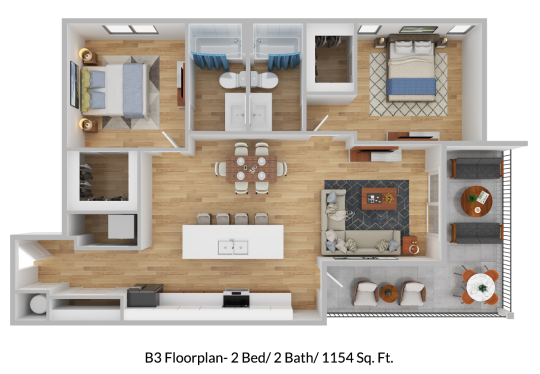
Yes, Blue Eastline is a realistic option for renters looking for Tempe apartments with coworking space near ASU. It sits on East Apache Boulevard in Tempe, near the Valley Metro light rail corridor that serves Arizona State University, and the property states that it offers onsite co-working facilities with multi-purpose work areas plus private conference rooms and rentable spaces.
For an ASU student, staff member, or remote worker, the key question is not just whether a building has desks. It is whether the location, transit access, and work setup fit your actual week, especially if you split time between campus, home, and meetings. That is where Blue Eastline is worth evaluating carefully.
What “near ASU” really means on the Apache corridor
Arizona State University’s Tempe campus is large, and “near ASU” can mean very different things depending on where you need to be. A student with classes near the west side of campus, someone working around the Memorial Union, and a graduate student visiting labs on the east side may all have different definitions of an easy trip. When you compare housing on Apache Boulevard, it helps to think in terms of your actual building or program, not just the university as a single point on a map.
Blue Eastline’s address, 2058 East Apache Blvd., places it on a corridor many ASU renters already consider because Apache connects housing, retail, and light rail service. ASU is also directly served by Valley Metro Rail, with stations at and around the Tempe campus, including the Veterans Way/College Avenue area and stations farther west toward downtown Tempe. That matters because rail access can be more useful than raw driving distance for a campus routine shaped by parking costs, event traffic, and class schedules.
The property specifically says residents can walk to a light rail station. That is one of the more decision-relevant facts here, because access to rail can reduce the need to time every trip around campus parking or peak traffic on nearby arterials. If your week includes regular trips to class, library sessions, office hours, or part-time work on campus, an apartment along the rail line may function differently from a property that is only “close” by car.
Before deciding, map your most common ASU destinations individually: your academic building, the nearest library you actually use, your gym or lab, and any evening commitments. Then compare those points to Blue Eastline’s address and to the nearest light rail stop using Arizona State University’s campus maps and Valley Metro’s trip planner. That gives you a more accurate answer than a generic “minutes from campus” claim.
How the coworking setup changes the day-to-day decision
For many renters, coworking space matters most on the days they are not physically on campus. If you take online classes, work remotely, interview by video, or need a place to focus outside your apartment, an onsite workspace can be more useful than a lounge with a table and Wi-Fi. Blue Eastline says it has onsite co-working facilities with multi-purpose work areas, plus private conference rooms and rentable spaces, which suggests a setup intended for more than casual laptop use.
That distinction is important if you are trying to avoid a daily search for study space at Hayden Library, Noble Library, a coffee shop, or a shared campus area during busy hours. A resident who needs dependable weekday work space may value having a separate place in the building to take calls, spread out materials, or reset between meetings and classes. It can also help roommates who keep different schedules and do not want every work session to happen in the living room or kitchen.
There is still a practical trade-off to verify. “Coworking” can cover a wide range, from open seating to reservable rooms with stronger privacy. Because policies, access hours, reservation rules, and any fees for rentable spaces can change, ask the leasing team specific questions: whether conference rooms are first come, first served or bookable, whether residents can use them daily, whether guests are allowed for project meetings, and whether printing or monitor hookups are provided. Those details affect how useful the space will be for graduate work, telehealth, interviews, tutoring, or full-time remote employment.
The property also states that internet service is provided through the community and included in monthly billing, with 1000 Gbyte included. For many remote workers and students, that is relevant because stable home connectivity matters just as much as having a desk. If your work involves large file uploads, streaming lectures, or long video calls, confirm how the included service is delivered in both apartments and coworking areas, and whether there are any separate setup steps or equipment requirements at move-in.
Who this setup makes the most sense for, and what to verify before you lease
Blue Eastline is likely to make the most sense for renters whose routines combine ASU access with regular work-from-home time. That could include upper-division students with a mix of in-person and online classes, graduate students who need both campus and home work zones, university employees who commute to Tempe a few days a week, or remote professionals who want rail access into the ASU area without relying on campus parking every day.
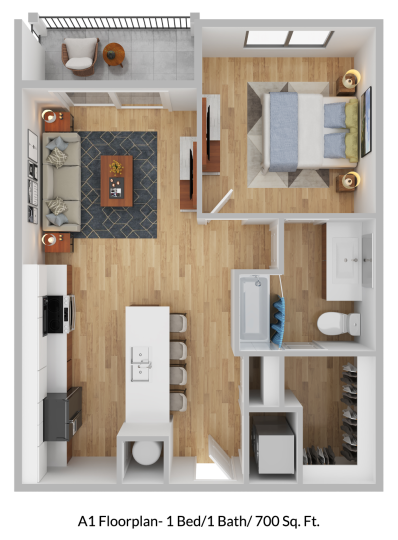
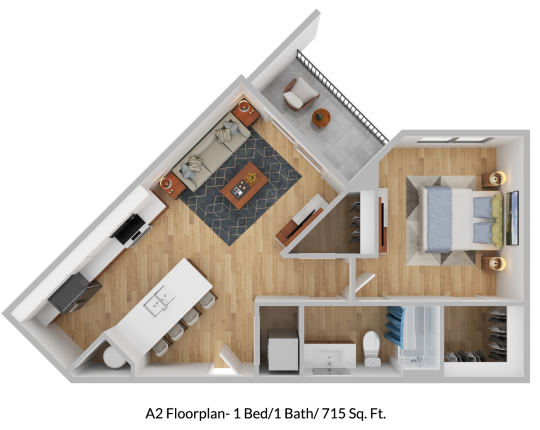
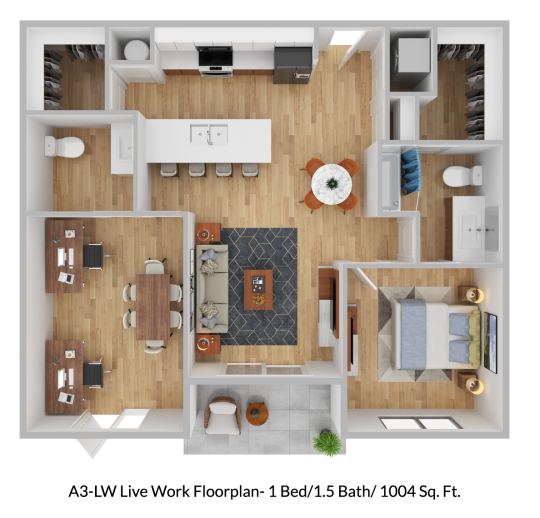
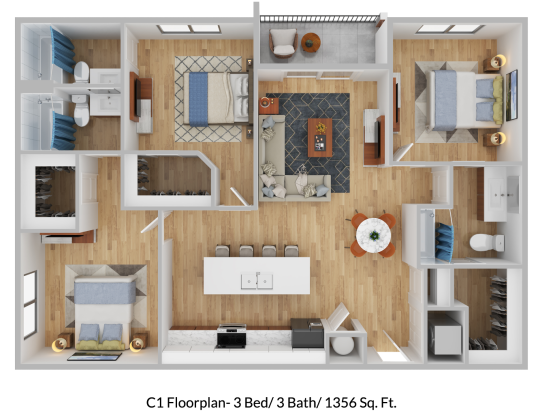
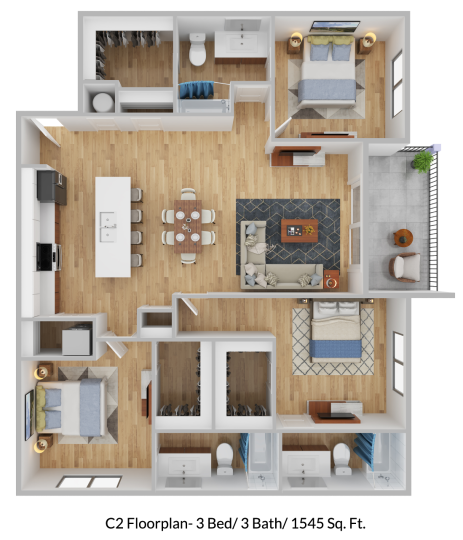
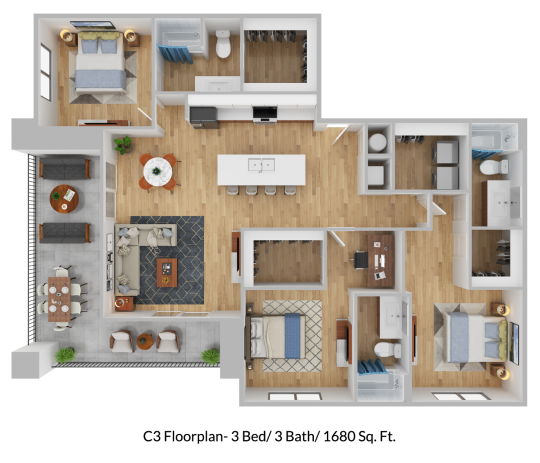
The coworking feature may be especially useful in shared households. Blue Eastline offers one-bedroom and two-bedroom layouts, and the ability to work outside the apartment can matter even more in a two-bedroom home where one person studies, another works remotely, and both need quiet at overlapping times. If you are comparing the cost and function of a larger apartment against a smaller one, an effective coworking area can change that calculation because part of your usable daily space is outside the unit.
There are also a few honest limitations to weigh. The property advertises conference rooms and rentable spaces, but that does not automatically mean unlimited privacy or all-day availability. Likewise, being on the Apache corridor is useful for campus access, but no apartment is equally close to every part of ASU’s Tempe campus. Your best fit depends on whether you prioritize rail access, a dedicated work area, roommate flexibility, or the ability to walk to daily coffee and errands.
If this sounds close to what you need, the most useful next step is simple: map your actual ASU destinations, then ask Blue Eastline for a tour of the coworking areas and conference rooms during a normal weekday. Seeing the workspace in person, and checking how it fits your campus routine, will tell you more than a general amenities list ever could.