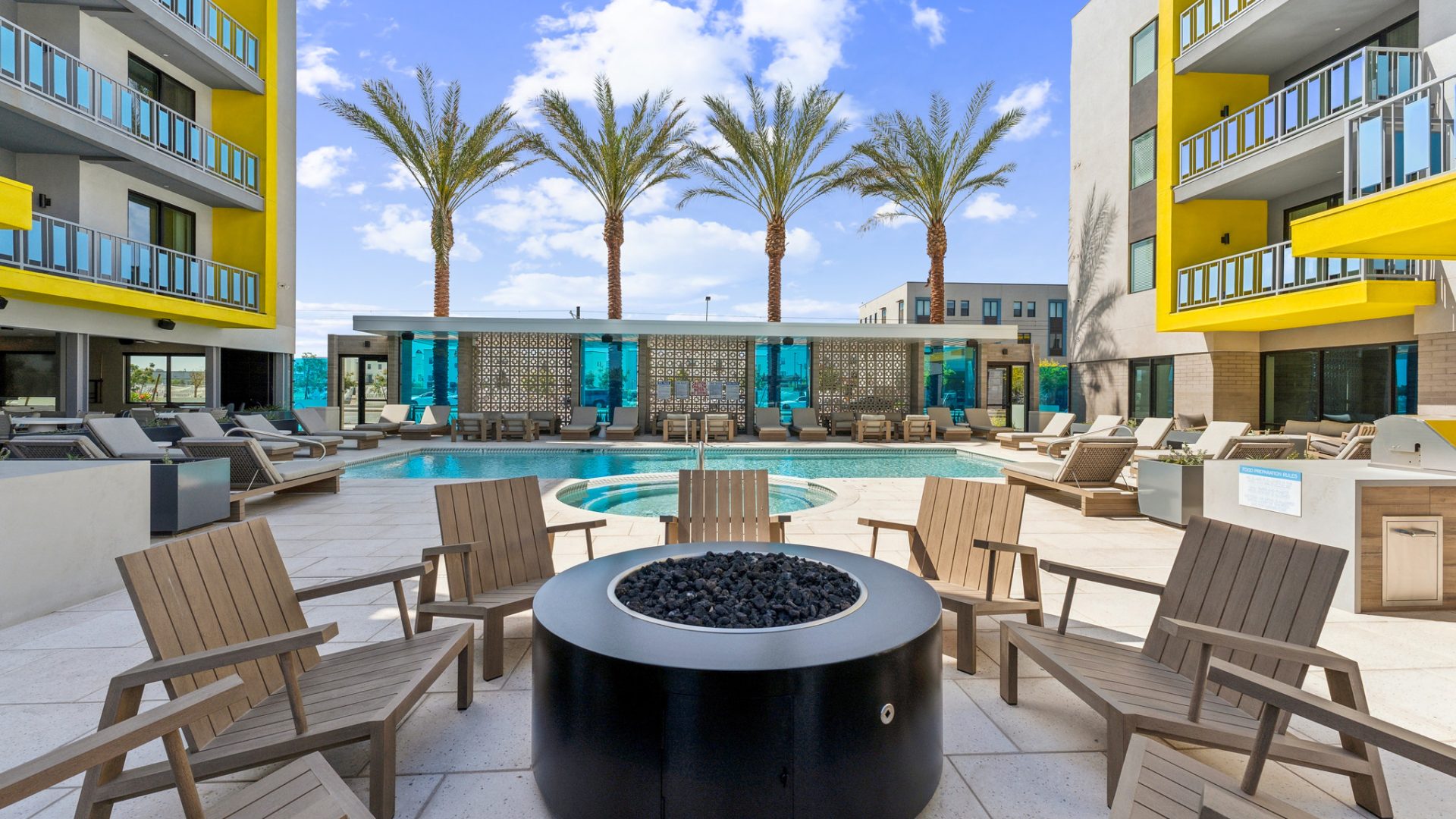
Yes, Blue Eastline is a realistic option for renters looking for Tempe apartments with conference rooms near ASU, because the community lists onsite co-working facilities with multi-purpose work areas and private conference rooms and rentable spaces. It is also on East Apache Boulevard in Tempe, a corridor directly tied to Arizona State University access, so the key question is less whether ASU is part of daily life and more whether this specific work setup matches how you study, meet, commute, and host people.
For most renters, the smartest way to evaluate this search is to separate two issues: your connection to ASU and the usefulness of the conference room itself. A building can be near campus but still be a poor fit if the meeting rooms are hard to reserve, too small for your needs, or not practical for the hours you actually work.
What “near ASU” really means on Apache Boulevard
Arizona State University’s Tempe campus is large, with destinations spread across academic buildings, student services, libraries, research spaces, and athletic venues. That matters because being “near ASU” is not one fixed condition. A location that works well for someone whose day revolves around the east side of campus may feel different for someone heading regularly to a building deeper into the core campus or to a lab with early or late access needs.
Blue Eastline sits on East Apache Boulevard, a corridor many renters consider specifically because it is tied to ASU-oriented housing patterns and transit access. The community also states that it is within walking distance of a light rail station. In practical terms, that gives a renter more than one way to approach campus life: walking, using light rail, biking if your routine allows, or mixing transit with occasional driving depending on class times and weather.
It is worth remembering that Apache Boulevard is not just a campus-adjacent label, it is an active urban corridor. For some renters, that is a plus because it supports a more connected daily routine and easier access to coffee, errands, and transit. For others, a busier corridor can mean more street activity and a different feel than a quieter interior neighborhood. That is not automatically good or bad, but it is a real lifestyle distinction to compare in person.
If ASU access is your deciding factor, verify it based on your actual destinations, not the university name alone. Check the location of the specific ASU buildings you use most, then map walking, light rail, biking, and driving options at the times you would actually travel. A graduate student, staff member, or hybrid employee who only goes to campus a few days a week may judge the location very differently than someone moving between classes several times a day.
How to judge whether the conference room will actually help your work
The most important property-specific fact here is that Blue Eastline advertises onsite co-working facilities with multi-purpose work areas, plus private conference rooms and rentable spaces. That is materially different from a building that only has a lounge with tables. If you take video calls, collaborate with classmates, tutor, interview remotely, or meet clients, private meeting space can solve a real day-to-day problem that an apartment living room often cannot.
That said, conference room usefulness depends on details that are easy to overlook when apartment hunting. Ask how residents access the space, whether it is first come, first served or scheduled, what kinds of gatherings are allowed, and whether there are time limits or fees for some uses. Those policies can change how useful the room is for recurring weekly meetings versus occasional one-off calls.
Internet capacity matters too, especially if your reason for seeking conference rooms is professional rather than social. Blue Eastline states that internet and/or cable service is provided through the community and included in monthly billing, with 1000 Gbyte included, and that Cox services the property. That is helpful baseline information, but if your work depends on large uploads, uninterrupted video conferencing, or multiple devices, you should still ask specifically how the shared work areas connect and whether Wi-Fi coverage in the conference rooms is reliable for extended meetings.
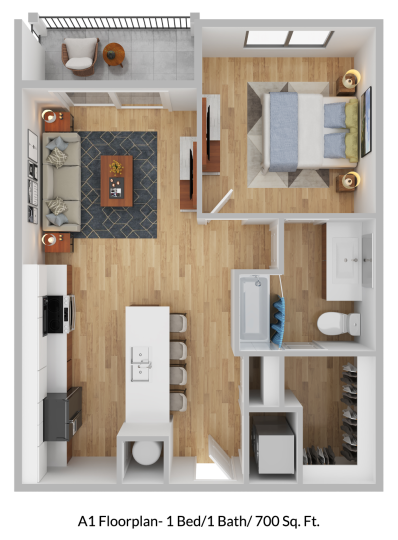
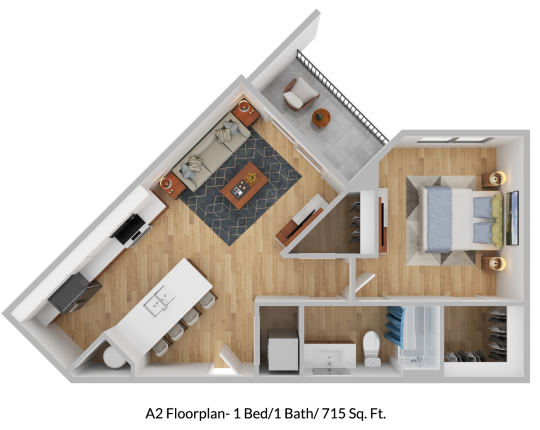
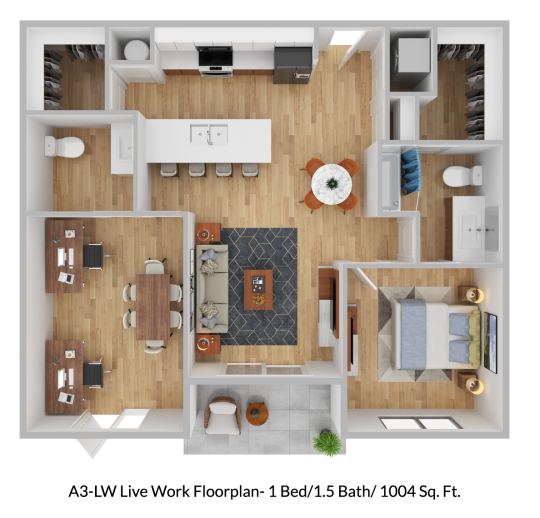
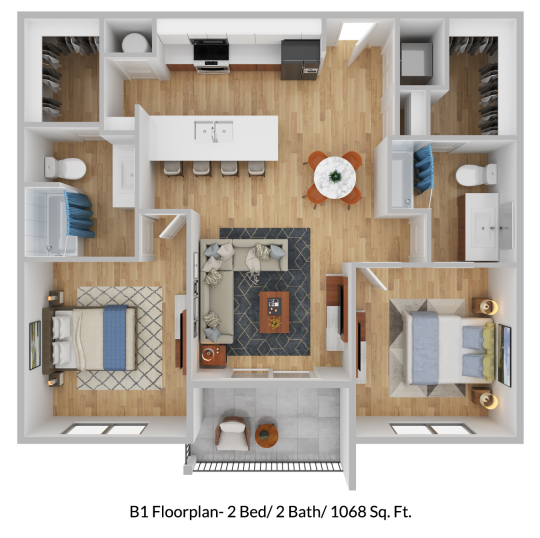
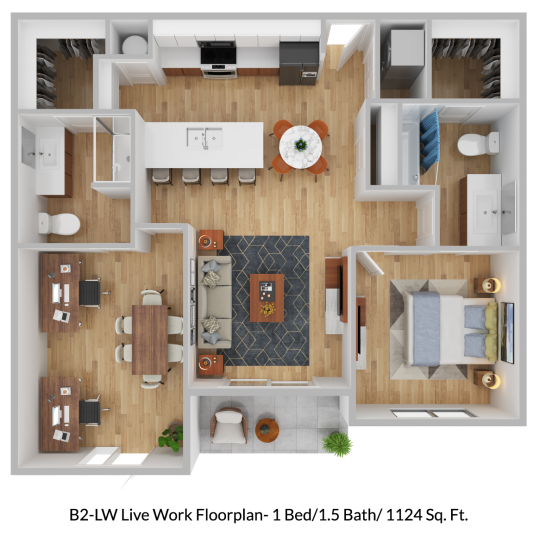
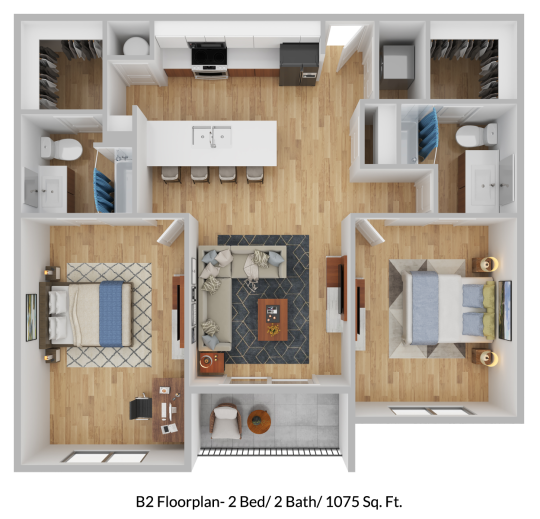
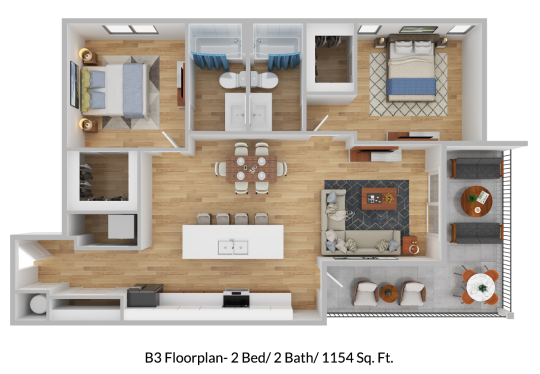
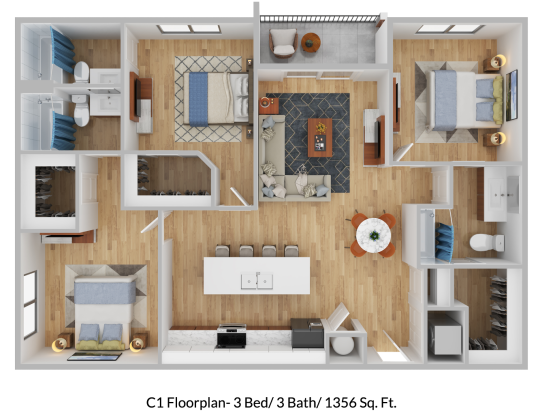
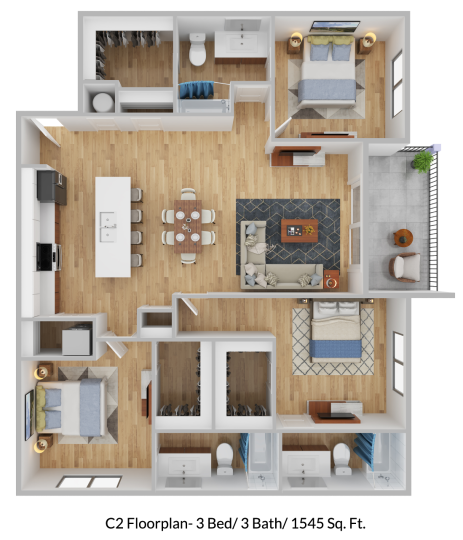
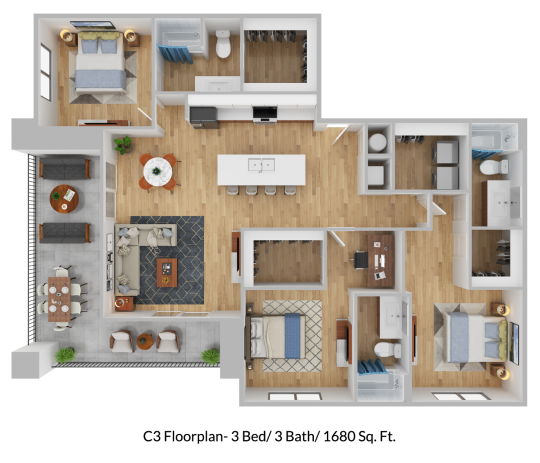
There is also a practical trade-off between meeting outside your apartment and having enough private space inside it. Blue Eastline offers one- and two-bedroom layouts in the provided floor plan set, including a one-bedroom around 700 square feet and two-bedroom options over 1,000 square feet. For some renters, a larger floor plan may reduce dependence on shared meeting space, especially if one roommate works remotely. For others, the whole point of the conference room is to avoid asking a roommate to stay quiet during calls, so the shared workspace may matter more than the extra square footage.
Who this setup tends to suit, and what to verify before you lease
This kind of setup can make particular sense for ASU graduate students, university staff, remote workers, and renters in hybrid roles who need a cleaner separation between home and meetings. A private conference room inside the community can be useful for thesis discussions, interviews, telehealth appointments, group project sessions, and work calls where background noise matters. It can also help if you want a professional setting without commuting to a separate coworking membership every time you need privacy.
Blue Eastline also includes features that may support that routine indirectly, such as keyless apartment entry, in-unit washers and dryers, elevators, package lockers, and a 24/7 fitness center. Those are not substitutes for meeting space, but they can make a work-from-home schedule easier to manage. The main point is to judge them as supporting features, not as proof that the conference room itself will meet your needs.
Parking and guests are another part of the decision if your meetings involve other people coming to you. The community states that guests park in designated guest areas and may need to register through posted QR-code instructions, with applicable fees possible depending on duration. If you expect classmates, collaborators, or clients to join you onsite, confirm the current guest parking process and whether outside visitors can use rentable meeting space under the property’s present rules.
A good next step is to tour with one narrow goal: ask to see the coworking area and conference room before focusing on finishes or pool photos. While you are there, map your most common ASU destination, ask how the meeting spaces are used day to day, and confirm current reservation, visitor, and internet details with the leasing team so you can decide whether the setup works for your actual school or work routine.