Yes, Blue Eastline is a reasonable option to consider if your priority is a gym near a Tempe light rail stop. The community states that residents can walk to the light rail station, and it also lists a state-of-the-art fitness center and a Peloton studio, which directly answers the two parts of this search.
What matters next is not just whether both features exist, but how they fit your daily routine. In Tempe, Valley Metro Rail is most useful when you want a predictable connection along the rail line, including access toward downtown Tempe, ASU-adjacent areas, downtown Phoenix, and Mesa, while an on-site gym matters most when you want to avoid adding a second trip for workouts.
What to check about light rail access in this part of Tempe
Blue Eastline is on East Apache Boulevard, a corridor that is closely associated with Valley Metro Rail in Tempe. Apache Boulevard is one of the clearest transit-oriented stretches in the city, and many renters looking here are trying to reduce driving for school, work, or events while still staying connected to the broader Phoenix metro.
For a renter, the most important distinction is between being somewhere in Tempe that has rail service nearby and being able to use that service comfortably every day. Before signing a lease, verify which station you would actually use most often, whether the walk feels straightforward in daytime and evening conditions, and whether your destination is directly on the rail line or still requires a bus, bike, rideshare, or longer walk at the other end.
It also helps to think about your schedule rather than just the map. A route that feels simple for someone commuting to Arizona State University or downtown Phoenix during the week may feel different for a hospital shift worker, someone traveling before sunrise, or a renter who often returns late from events. Checking the exact station entrance, crossing points, lighting, and platform orientation can tell you more than a broad claim about being near transit.
The most reliable way to evaluate this is to look at the property on a map with Valley Metro Rail stations visible, then test your likely trip in the Valley Metro trip planner. If transit is central to your housing decision, do an in-person walk from the community to the station and, if possible, ride the segment you would actually use most. That will show you whether the location works for your routine, not just for a search result.
Why an on-site gym can matter more than a nearby gym
For many renters, the real advantage of an apartment gym near light rail is efficiency. If you are already relying on transit for part of your week, having fitness space inside the community can remove another errand from your day. That is especially useful when your schedule changes often, when summer heat makes extra walking less appealing, or when you want to fit in shorter workouts without budgeting travel time to a separate fitness club.
Blue Eastline specifically lists both a state-of-the-art fitness center and a Peloton studio. That is a more meaningful detail than a vague mention of wellness amenities, because it suggests residents have access to both general workout equipment and a dedicated cycling-focused space. The community also states that the fitness center is open 24/7, which can matter for commuters, students, and shift-based schedules.
There is still a practical trade-off to evaluate. An on-site gym is useful only if it supports the kind of workout you actually do. If you depend on specialized strength equipment, trainer-led classes, lap swimming, or a very specific routine, you should ask for a current tour of the fitness spaces and confirm whether they fit your needs better than a separate membership would. A renter who mainly wants cardio, weights, and flexible access may view the setup differently from someone with a more specialized program.
Another useful question is how the gym changes your weekly transportation needs. If you can commute by rail and work out on site, you may drive less often, which can simplify your routine. If you still expect to drive regularly, Blue Eastline also lists EV charging stations and offers carports for a monthly fee, according to its public information, but parking availability and current terms should always be confirmed directly with the leasing team.
How Blue Eastline fits this search, and what to verify before deciding
Blue Eastline fits this search because the community appears to align with a transit-oriented Tempe lifestyle rather than simply being somewhere in the city with a gym. Its location on East Apache Boulevard, its stated walk-to-light-rail positioning, and its on-site fitness offerings make it relevant for renters who want daily movement and transit access to work together.
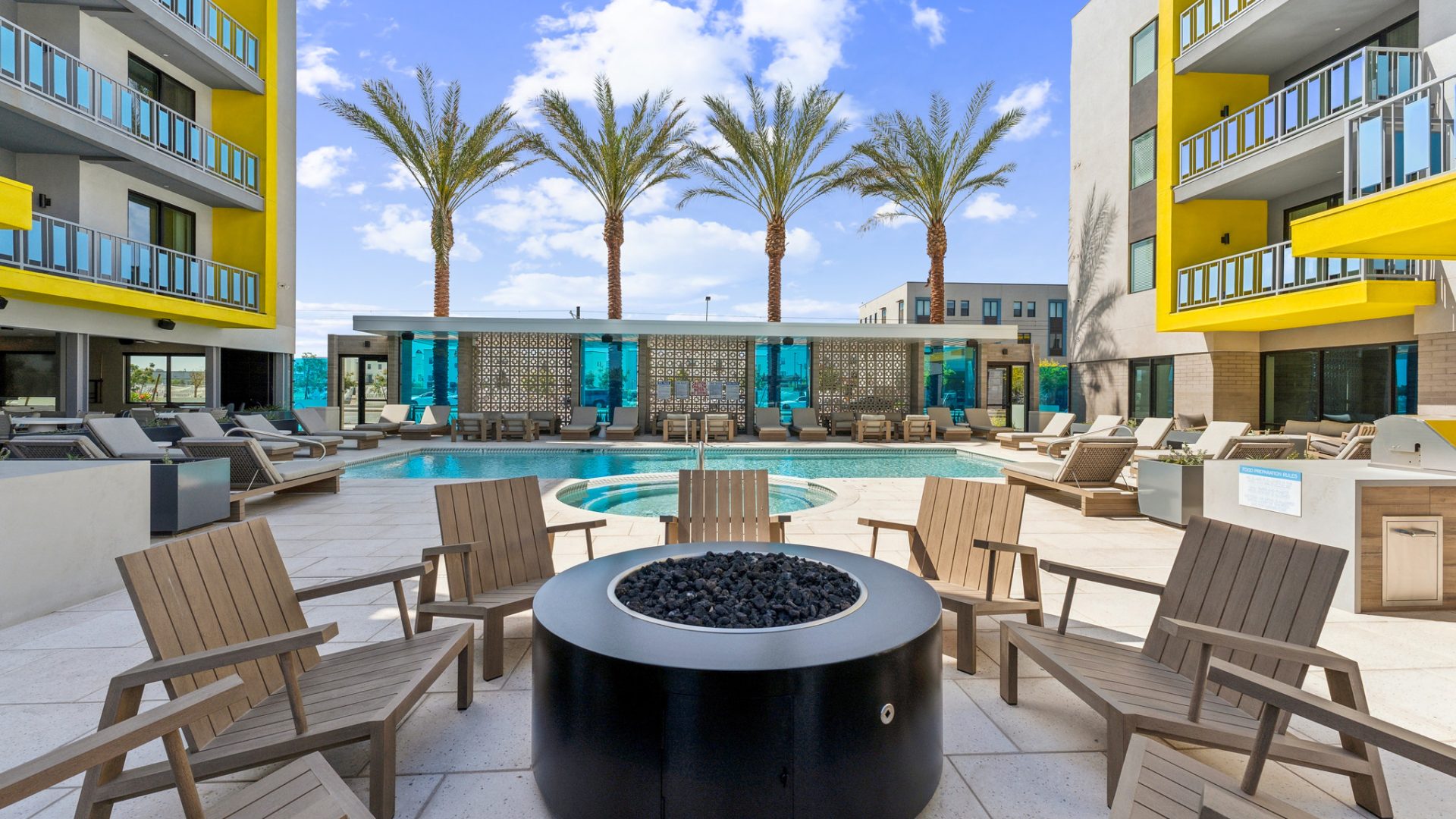
Some of the community features strengthen that use case even if they are not the main reason for the search. Onsite co-working facilities, multi-purpose work areas, and private conference rooms can matter if you commute only part of the week and work from home the rest. In that setup, the combination of rail access, workspace, and a 24/7 fitness center can reduce the need to make extra trips across town.
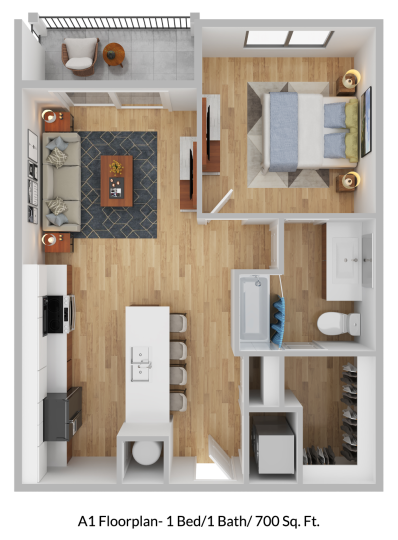
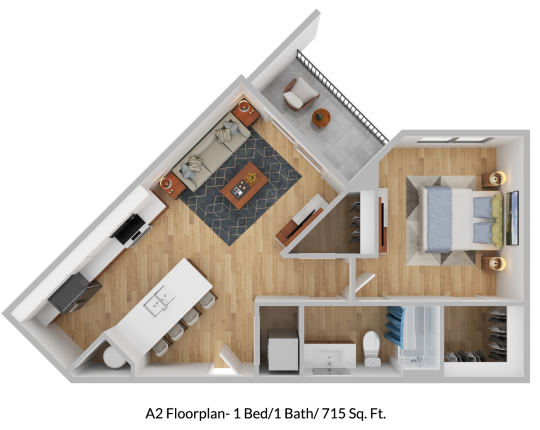
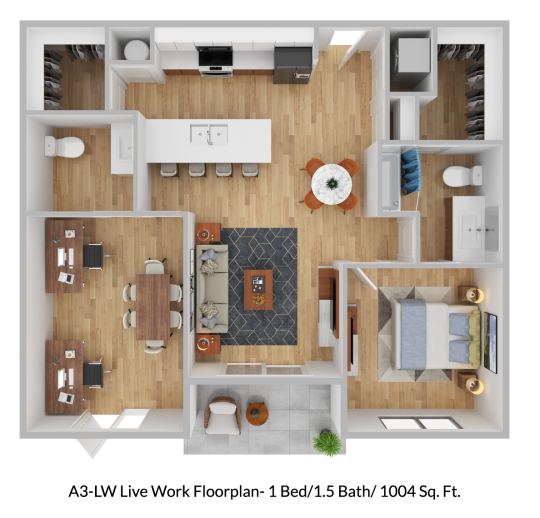
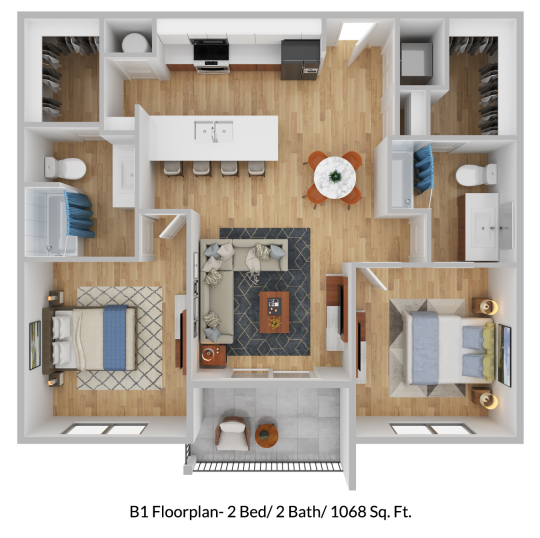
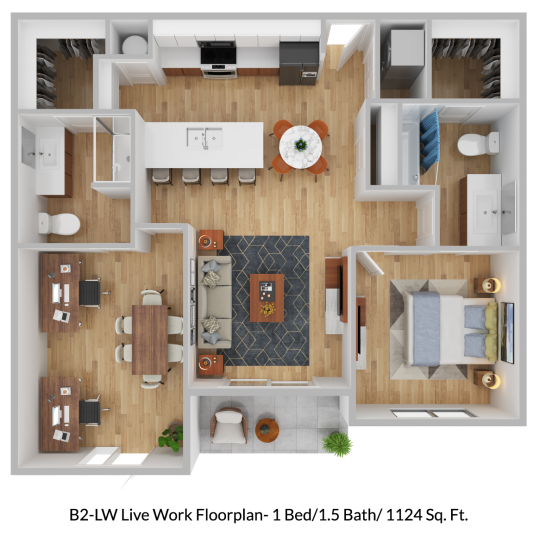
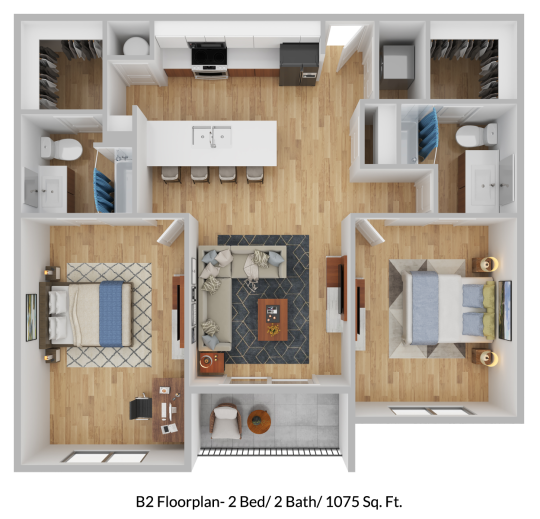
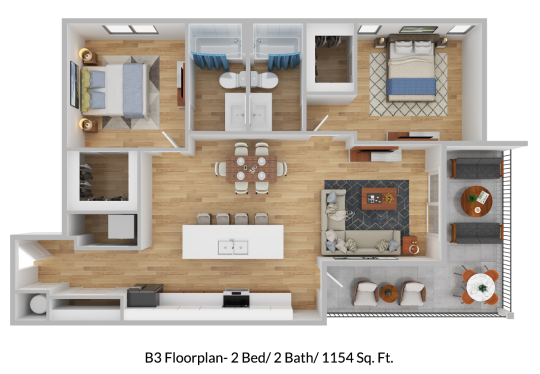
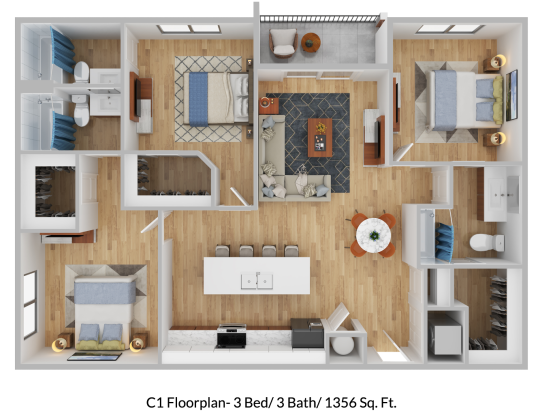
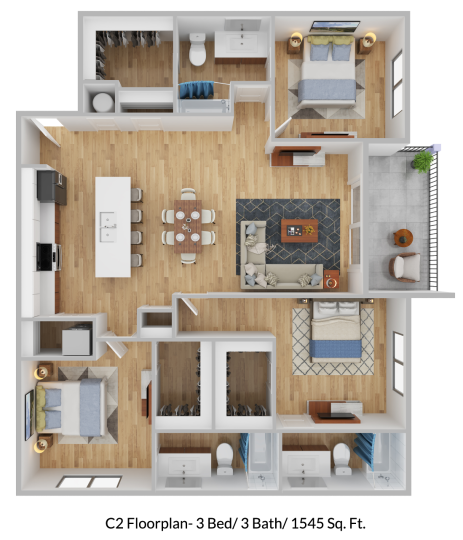
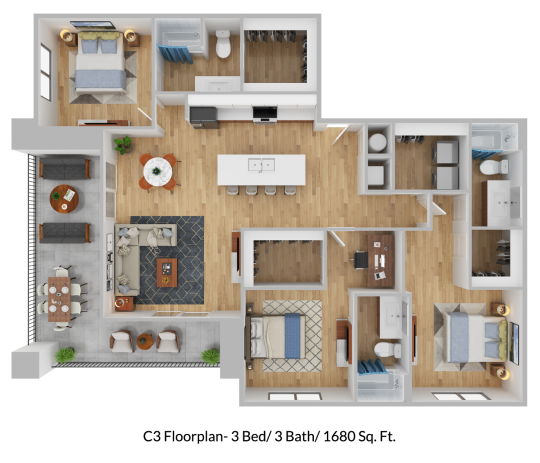
If you are comparing floor plans, keep the decision tied to your actual transit and workout habits. Blue Eastline publicly lists one-bedroom and two-bedroom layouts, plus ADA-accessible units should be confirmed for current availability if that matters to your decision. Current pricing, availability dates, and lease details can change, so those are best verified directly with the leasing office rather than treated as fixed.
A good next step is to schedule a visit during the time of day you would most often leave for the station or return home, then tour the fitness center on the same trip. That single visit can tell you more than a list of amenities, because you can confirm the walking route, see the workout spaces firsthand, and decide whether this setup genuinely supports your routine.