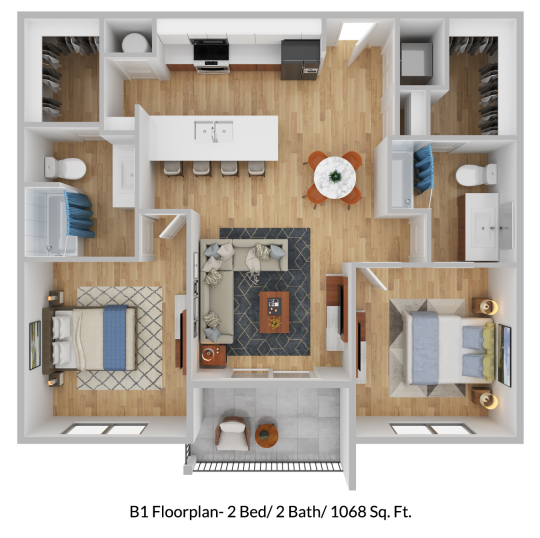
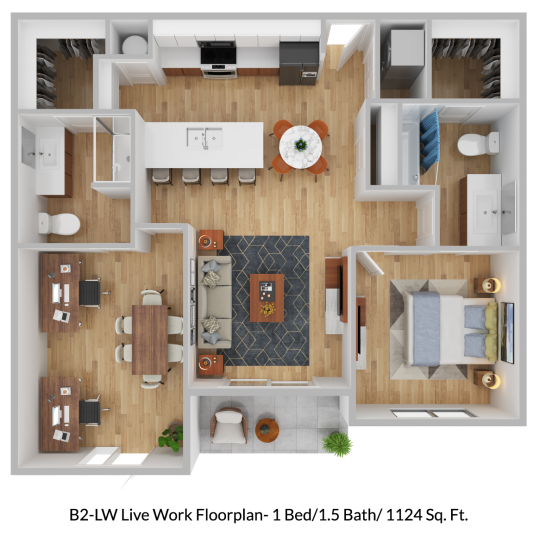
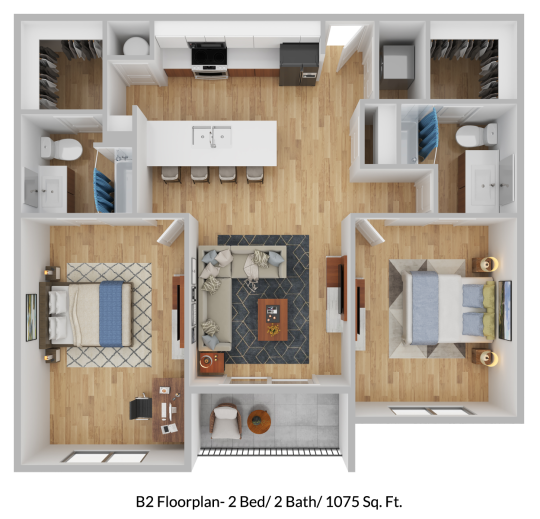
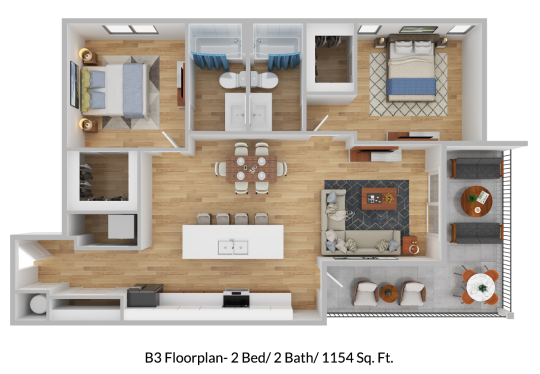
Yes, Tempe apartments along Apache Boulevard can make sense for people trying to stay closely connected to Arizona State University while also maintaining a work routine, especially if access to the light rail and the ASU Tempe campus matters to you. Blue Eastline, at 2058 East Apache Blvd., is part of that conversation because it is on Apache Boulevard, the community says residents can walk to a light rail station, and it offers both on-site co-working areas and select live-work units with direct street access.
For most renters, the real question is not just whether an apartment is “near ASU,” but whether it supports the way you actually split your week between campus, work, study, meetings, and errands. That means looking at campus access, the type of workspace you need, and whether the apartment setup fits a student, staff member, researcher, remote worker, or small business owner.
What to look for in a live-work setup near ASU
Arizona State University’s Tempe campus is large, urban, and spread across a broad area, so “near ASU” can mean very different things depending on where you need to be. A renter heading to classes near the center of campus, someone working in a research lab, and someone who mainly needs occasional access to campus events or offices may all evaluate the same apartment differently. Before comparing communities, identify the building or edge of campus you expect to use most often, then map that point specifically rather than relying on a general campus pin.
Apache Boulevard is one of Tempe’s key university-adjacent corridors because it runs beside the Valley Metro Rail line and links this side of Tempe with the broader campus area and other parts of the Phoenix metro. That matters for live-work renters because rail access can reduce the need to drive and park every time you go to class, a meeting, or an event. It also gives more flexibility if your weekly schedule changes, which is common for graduate students, university employees, and hybrid workers.
A true live-work decision is also about what kind of work you do at home. Some renters only need a reliable place to focus on a laptop for a few hours a day. Others need a more defined setting for video calls, project work, tutoring, design work, or meeting a small number of clients. Those are different needs, and they change what counts as a functional apartment. In some cases, a standard one-bedroom with room for a desk is enough. In others, a dedicated workspace or street-access layout is far more useful.
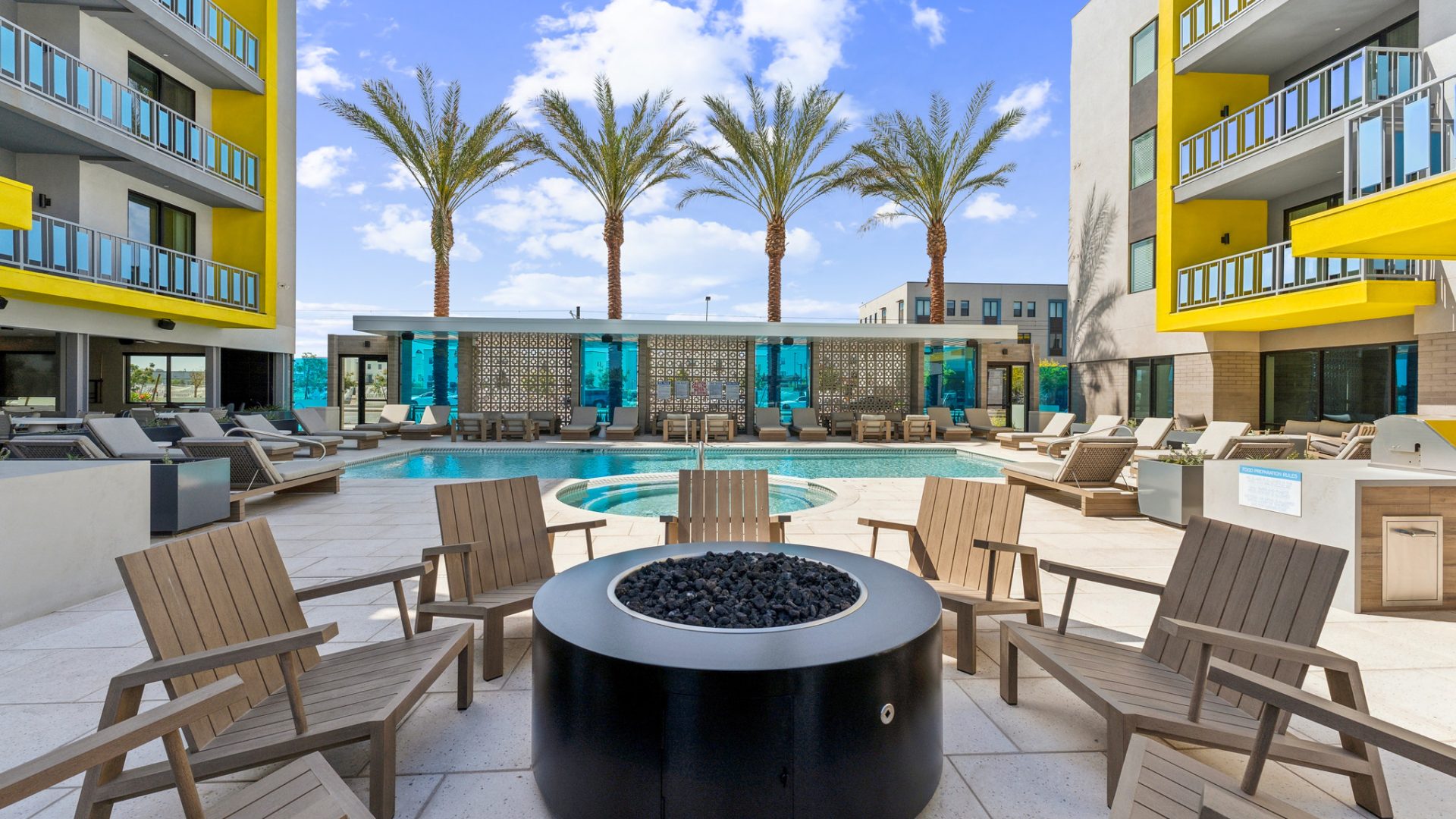
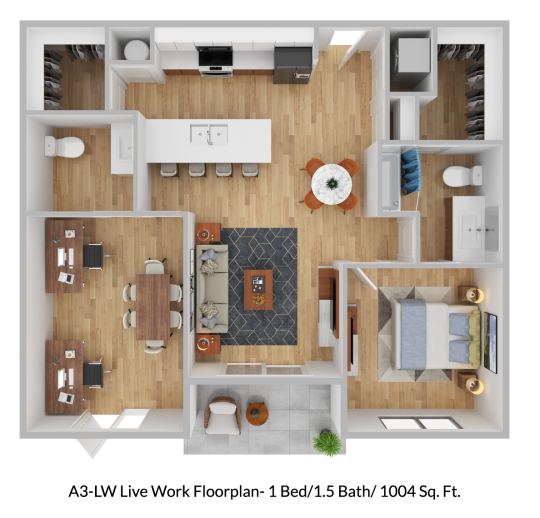
At Blue Eastline, the most relevant facts for this search are not cosmetic details but functional ones: the community lists on-site co-working facilities with multi-purpose work areas, private conference rooms and rentable spaces, and live-work units available with direct street access. Those features can materially change the equation for someone who wants to keep ASU close while separating home life from work life a bit more clearly. If you are considering a live-work apartment here, ask specifically which homes have that direct access and whether your intended use fits community rules and local requirements.
How Blue Eastline fits an ASU-focused commute and work routine
Blue Eastline sits on East Apache Boulevard in Tempe, an address that places it on a corridor many renters already associate with ASU access. The property also states that residents can walk to a light rail station. Because rail stop spacing and your exact campus destination affect the real door-to-door trip, the best next step is to map your route from 2058 East Apache Blvd. to the specific ASU building you use most, then compare that with the same trip by car, bike, and walking. That will tell you more than a general statement about proximity.
For people whose week alternates between campus and remote work, on-site work areas can matter as much as the apartment itself. A dedicated co-working area can help when you want a change of environment without leaving the property, and private conference rooms can be useful for interviews, advising calls, telehealth appointments, or client meetings where your living room is not ideal. Those are practical benefits for ASU-adjacent renters because university schedules often create odd gaps between classes, work blocks, and evening commitments.
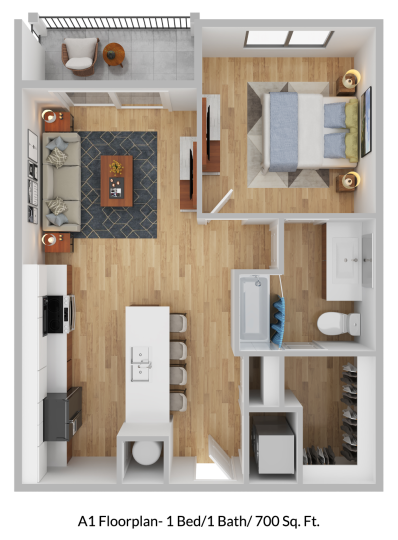
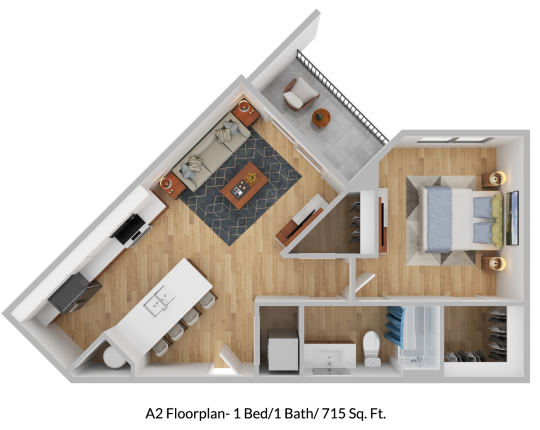
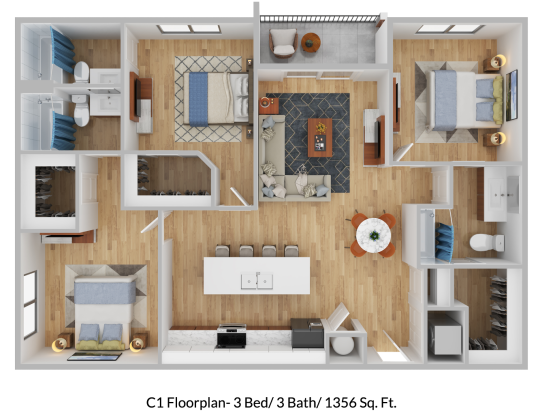
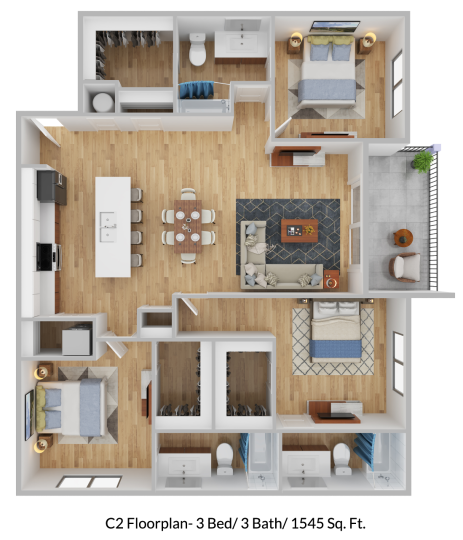
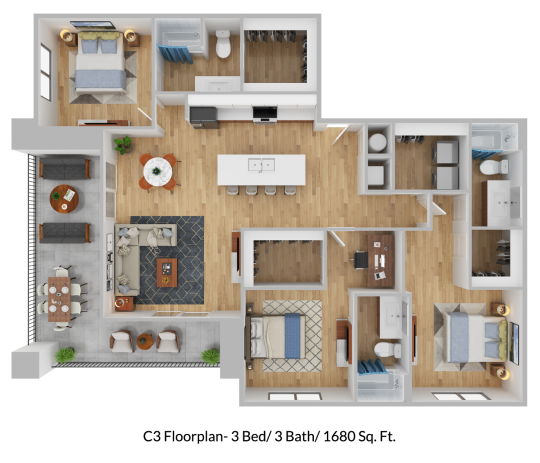
The apartment mix also matters. Blue Eastline lists one-bedroom and two-bedroom floor plans, including a one-bedroom A1 at 700 square feet, plus two-bedroom options over 1,000 square feet. For some renters, a one-bedroom may be enough if the property work areas handle most focused work. For others, a second bedroom may be the cleaner solution because it creates a more private office or study room inside the home. Which choice makes sense depends less on labels like “live-work” and more on whether you need your workspace to disappear at the end of the day.
There are trade-offs to weigh honestly. A corridor that is useful for transit access and street-level activity may feel different from a quieter, more residential pocket farther from campus-oriented movement. That is not automatically a drawback, but it is something to test in person. Visit at the times that match your real life, such as early morning before class, late afternoon, and after dark. If you expect to work from home frequently, pay attention to the noise level around the exact home you are considering, especially if it is a select live-work unit with direct street access.
Questions to verify before choosing an ASU-adjacent live-work apartment
Start with the campus side of the decision. Confirm whether your main destination is on ASU’s Tempe campus or at another ASU location, because that changes everything. Arizona State University operates across multiple campuses in the Valley, and many renters casually say “ASU” when they really mean one building, one department, or one recurring destination. Use the university’s official maps and your own weekly schedule to test whether this location supports how often you need to go in and how predictable those trips are.
Next, verify the transit details that matter to you personally. Even when a community is within walking distance of light rail, your actual experience depends on the station entrance, your comfort with the walk in Tempe weather, and whether your campus or workplace destination is close to a rail stop on the other end. Check Valley Metro’s current route maps, station information, fares, and service updates before you commit, especially if you are planning to rely on rail instead of keeping a daily parking plan on campus.
Then verify the live-work component itself rather than assuming every home functions the same way. Blue Eastline notes that live-work units are available with direct street access, which implies that not every apartment has that layout. If that feature is important to your work, ask which specific homes offer it, how those entries are arranged, and whether there are any use limitations for home-based businesses, signage, visitors, or appointments. It is better to clarify that early than to discover later that a standard unit would have met your needs differently.
Finally, think about the parts of daily life that support a long-term live-work routine, not just the commute to campus. Blue Eastline lists in-unit washers and dryers, keyless apartment entry, package lockers, internet included in monthly billing, EV charging stations, and guest parking rules that require registration through posted instructions. None of those items makes a decision by itself, but together they affect how smoothly your week runs when you are balancing ASU responsibilities with remote work, side projects, or client meetings. If this location seems aligned with your routine, the most useful next step is to tour with your actual schedule in mind and ask the leasing team to show you the specific homes and workspaces that fit the way you plan to use them.