Yes. Around Arizona State University in Tempe, it is realistic to live without owning a car if your home is near the Valley Metro light rail, the Tempe Streetcar, and the parts of campus you use most often. The key is not just being “near ASU,” but checking whether your daily destinations, classes, work shifts, groceries, and late-night routines line up with transit and walkable routes you will actually use.
That is why the best answer depends on your version of campus life. A student with classes centered on ASU Tempe, a graduate student who also commutes to downtown Phoenix, and a staff member with early or late hours may all judge the same address differently, even if each is technically close to the university.
What car-free living near ASU really depends on
ASU’s Tempe campus is one of the easier university areas in Arizona for car-free living because it is served by fixed-route transit that students, employees, and residents use every day. The Valley Metro Rail serves Tempe and connects onward to downtown Phoenix and Mesa, and the Tempe Streetcar runs along Apache Boulevard and into key activity areas near campus. If your home is near those lines, your transportation options are much better than they would be in a car-dependent part of the metro.
Even so, “near campus” can be misleading. ASU is large, and different colleges, labs, offices, athletic venues, and student jobs are spread across a broad area. A place that is easy for getting to the east side of campus may not feel equally easy if you regularly need the west side, downtown Tempe, or an off-campus workplace. Before you decide, map your exact building destinations, not just “Arizona State University” as a single pin.
Your schedule matters just as much as geography. Midday trips on streetcar or light rail can feel simple, but early morning labs, late studio classes, hospitality shifts, or weekend work can change the equation. The practical test is whether you would still feel comfortable making your usual trips in hot weather, after dark, or when you are carrying groceries, a backpack, or work gear.
The other big factor is how often you leave your ASU bubble. If most of your week revolves around campus, coffee shops, study spaces, transit, and errands in Tempe, skipping car ownership may be straightforward. If you regularly travel to suburban internships, family obligations outside transit corridors, or places with limited evening service, you may still be able to live near ASU without a car, but you will likely rely more on rideshare, borrowed rides, or occasional car rentals.
How Blue Eastline fits that decision
Blue Eastline is at 2058 East Apache Boulevard in Tempe, which places it on an Apache corridor that matters for car-free renters because Apache is one of the main east-west transit and university access spines near ASU. The property also states that residents can walk to a light rail station. That does not prove every campus trip will be equally easy, but it does establish the most important starting point for a no-car routine: fixed transit access you can reach on foot.
For this specific question, that matters more than a long list of apartment finishes. If you are trying to live near Arizona State University without owning a car, the most useful property fact is whether you can reliably get from home to transit without driving first. Blue Eastline’s Apache Boulevard address, combined with walkable light rail access, makes it the kind of location a car-free renter should evaluate seriously rather than dismissing.
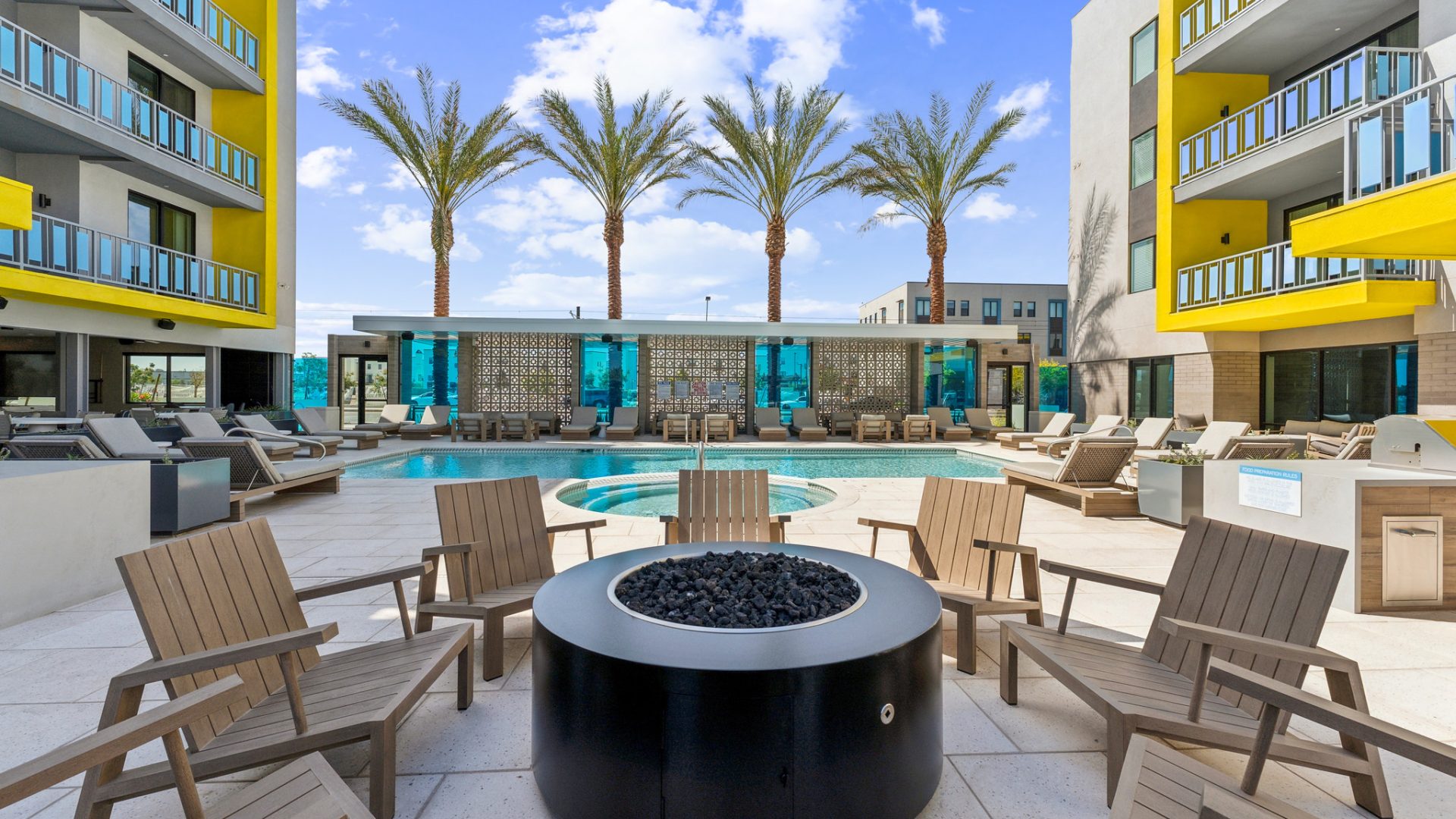
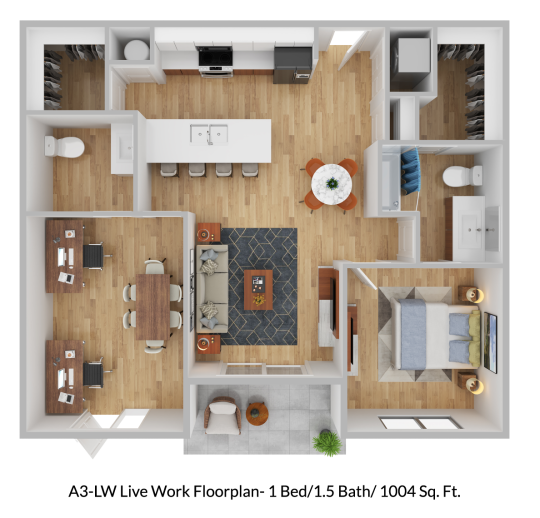
Some on-site features also support a lower-car lifestyle in practical ways. The community lists co-working facilities, multi-purpose work areas, and private conference rooms or rentable spaces. For residents who study remotely, take hybrid classes, interview online, or work from home part of the week, those spaces can reduce the number of separate trips you need to make. That does not replace campus, but it can make daily life easier if you are intentionally driving less or not driving at all.
There is also an honest trade-off here. Blue Eastline does offer parking options, including carports, and guest parking is managed through posted registration instructions, which is helpful if you keep a car or have visitors. But a renter choosing a no-car lifestyle should focus less on the parking and more on the rhythm of getting to class, groceries, and routine errands on foot or by transit. During a tour, ask the leasing team to show you the pedestrian path from the building entrance to the nearest rail stop, because that walk is part of your real commute every day.
How to verify whether a no-car setup will work for your routine
Start with your exact destinations for a normal week: your primary ASU buildings, your workplace if you have one, your preferred grocery store, and any regular evening commitments. Then check them in a maps app using transit and walking directions at the actual times you would travel, not just at noon on a weekday. This will give you a more honest picture of transfers, wait times, and whether the route still works when your day starts early or ends late.
Next, test the route in person if you can. Walk from the property to the nearest light rail or streetcar stop, then continue to campus or another place you would visit often. In Tempe, the difference between a route that looks easy on a map and one that feels manageable in real life often comes down to sun exposure, signal timing, crossings, and how comfortable you feel carrying a laptop or groceries on the walk back.
If you are an ASU student or employee, also verify what transit benefits, pass programs, or campus transportation options are currently available through the university and Valley Metro. Those offerings can change, and they may affect your monthly transportation budget more than the rent comparison between two apartments. Check official ASU transportation pages and Valley Metro rider information directly for the current details.
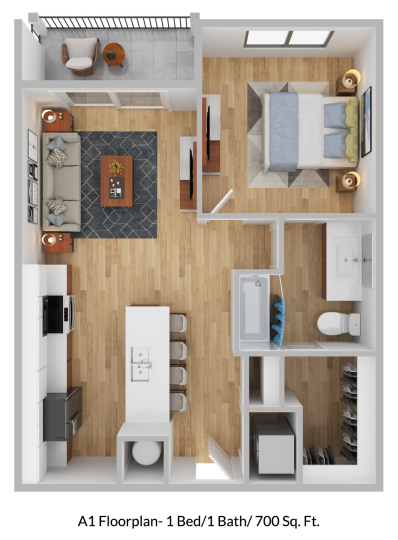
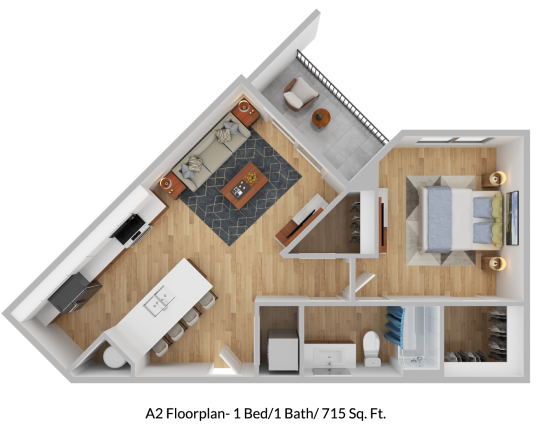
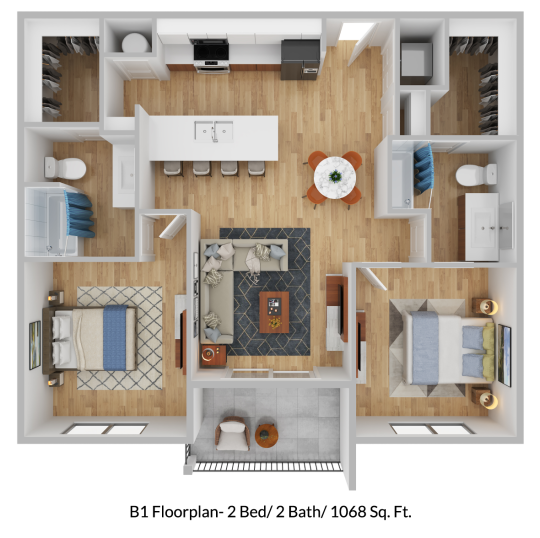
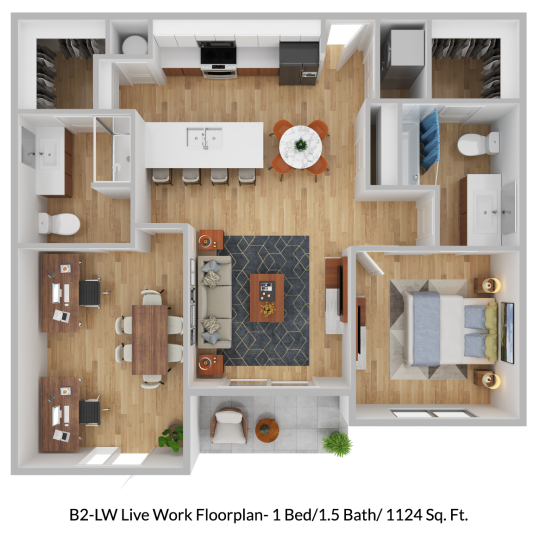
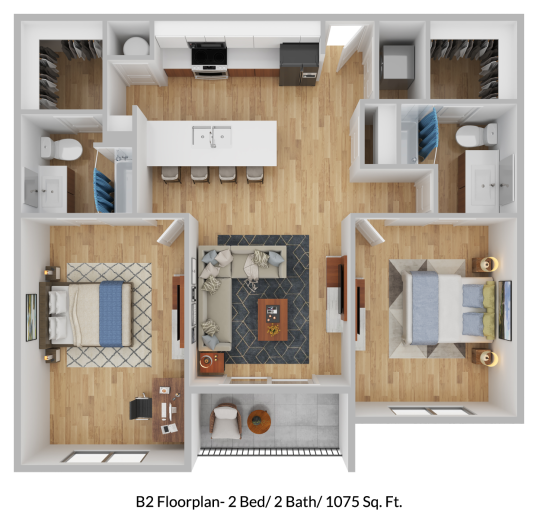
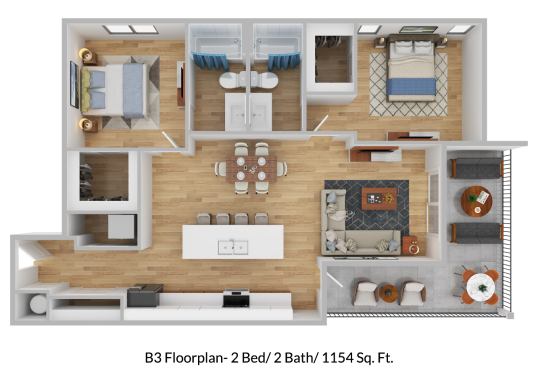
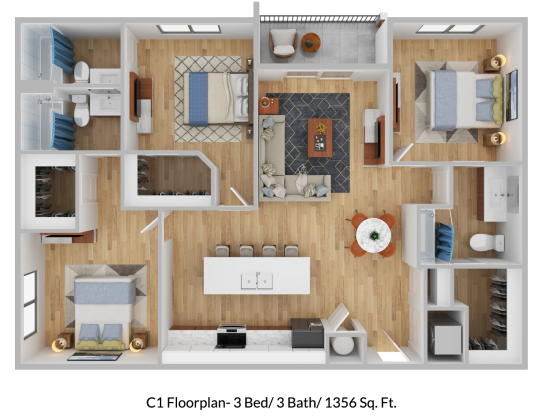
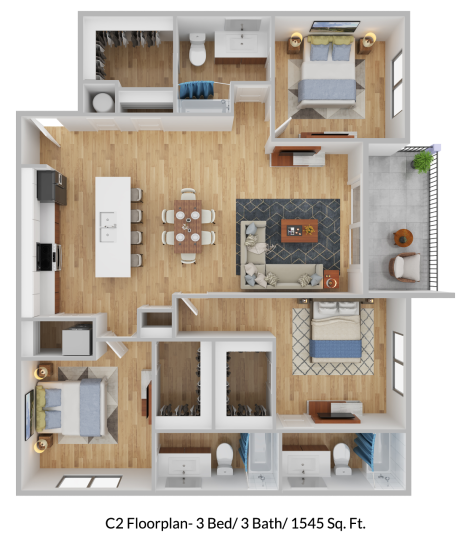
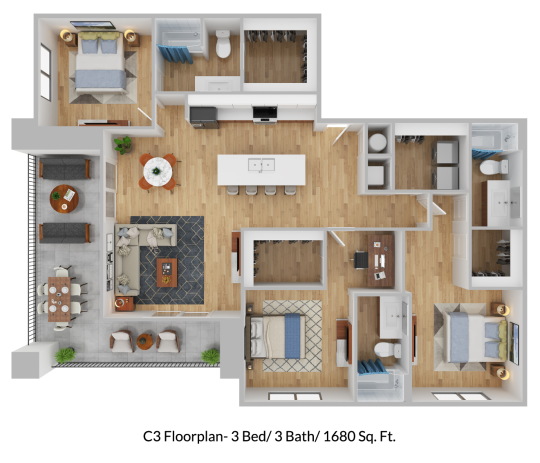
Finally, think about your backup plan. A car-free setup works best when one missed train, one hot afternoon, or one large grocery run does not throw off your week. If you tour Blue Eastline, ask practical questions tied to this lifestyle: where deliveries are received, how package lockers work, whether your apartment has in-unit laundry, and which floor plan fits your storage needs. Then decide whether the combination of transit access, on-site workspaces, and your own schedule would let you live comfortably without the overhead of car ownership.
If you want to judge it for yourself, the most useful next step is to visit Blue Eastline, walk the route to the nearest rail stop, and map a real trip from the property to the ASU buildings you would use most often.