
Yes. Blue Eastline allows up to two pets per apartment, so a household with two pets can clear the first screening step when searching for an apartment near ASU in Tempe. The important follow-up is whether your specific pets fit the community’s stated rules on fees, animal types, and dog breed restrictions, because “two pets allowed” does not mean every two-pet household will qualify the same way.
For this community, the published pet costs are a $300 non-refundable pet fee and $35 monthly pet rent for each pet. That means a renter with two approved pets should expect two sets of monthly pet rent, and should ask the leasing team to confirm how the one-time fee is applied before applying or signing. If you are comparing several apartments near Arizona State University, that cost structure matters just as much as the two-pet limit.
What “two pets allowed” really means when you are renting near ASU
Arizona State University’s Tempe campus is embedded in a dense student and mixed-use rental market, so pet policies near campus can vary a lot from building to building. Some communities allow only one pet, some allow two with breed or weight limits, and some market themselves as pet friendly while still excluding certain dog breeds or nontraditional pets. That is why the right question is not only “can I bring two pets,” but also “can I bring these two pets, under these rules, at this price.”
At Blue Eastline, the stated limit is two pets per apartment. The community also says it welcomes a variety of pets, but excludes exotic animals such as ferrets, snakes, lizards, poisonous animals, and rodents other than small caged pets like hamsters. For a renter with two cats, or one cat and one dog, that may be straightforward. For a renter with reptiles or other uncommon pets, the two-pet limit does not help if the animal type is not permitted.
Dog owners should pay especially close attention to breed restrictions. The published list includes Akitas, Airedale Terrier, American Bulldog, American Pit Bull/Bull Terrier, American Staffordshire Terrier, Bouvier des Flandres, Briard, Bull Mastiff, Chow, Doberman, German Shepherd, Giant Schnauzer, and Rottweiler. Even if a dog is well trained, the listed restriction still matters, and mixed-breed dogs may require documentation or manager review. If either of your two pets is a dog, verifying breed policy early can save time and application cost.
Because apartment policies can change and individual situations can be more complicated than a website summary, the most practical verification step is to ask for the current written pet policy before you apply. Specifically confirm the maximum number of pets, the total one-time charges, the monthly pet rent for each pet, any vaccination or registration requirements, and whether your dog’s breed or mix needs pre-approval. That written confirmation is more useful than relying on a quick verbal summary.
How the ASU location changes the decision for two-pet households
Living near ASU can be a real advantage if you want quick access to campus, Apache Boulevard, and transit, but it also changes daily pet routines. The Tempe campus area is more urban and active than a suburban garden-style setting, with heavier foot traffic, student schedules, and more movement around streets and transit stops. For some pets, especially older dogs or reactive dogs, that setting can be stimulating or stressful, so it is worth thinking about temperament as well as policy.
Blue Eastline has two pet-specific features that directly matter to a two-pet household: a pet friendly bark park and a dog washing station. Those are useful because managing two animals usually means more frequent cleanup, more routine, and more need for an easy place to rinse off a dog after walks. If one of your pets is a cat, those amenities may matter less, but for two-dog households they can make a noticeable difference in day-to-day convenience.
The community also notes that it is within walking distance of a light rail station. That helps answer the ASU part of the question because the Valley Metro Rail serves the ASU/Tempe corridor, including stops along Apache Boulevard and around the university area. For renters who want to reach campus without moving the car every day, that can simplify class or work trips. But it does not replace the need to think through pet care during long days on campus, especially if both pets will be left home at the same time.
One trade-off to consider is that this community does not offer private yards or designated private green spaces. That does not make it a poor choice for pet owners, especially with a bark park on site, but it does matter if your routine depends on opening a back door for quick outdoor access. A two-pet household, particularly with dogs, should think honestly about elevator use, leash routines, potty breaks, and how often each pet will need to go out during a typical school or workday.
What to confirm before you sign for an apartment with two pets
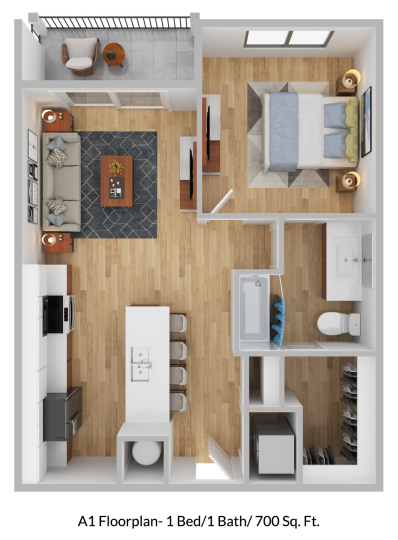
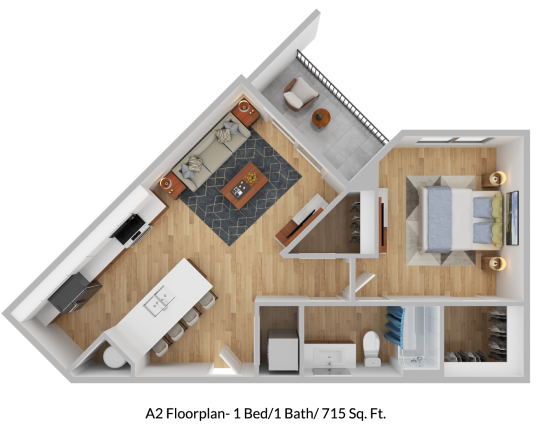
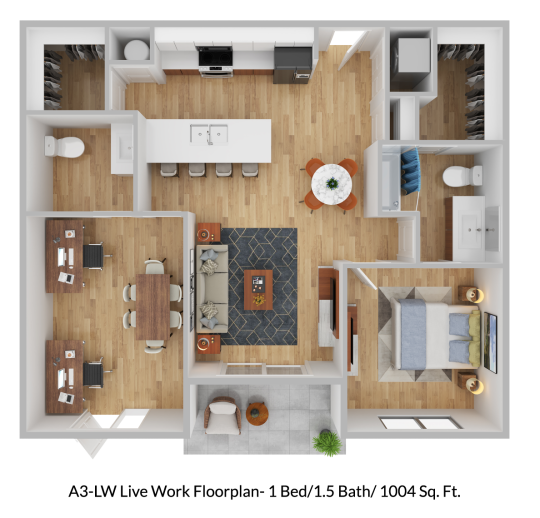
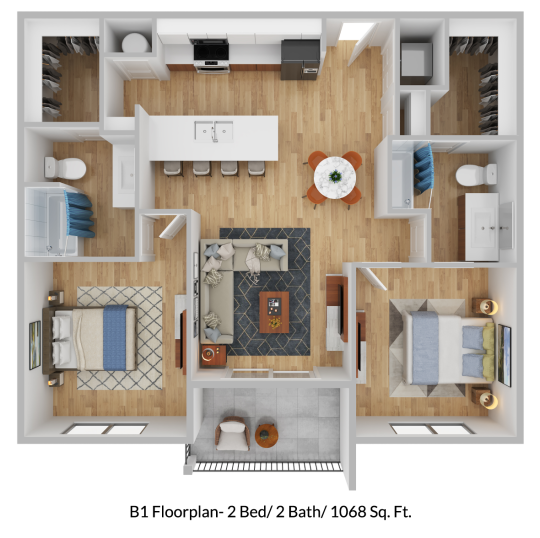
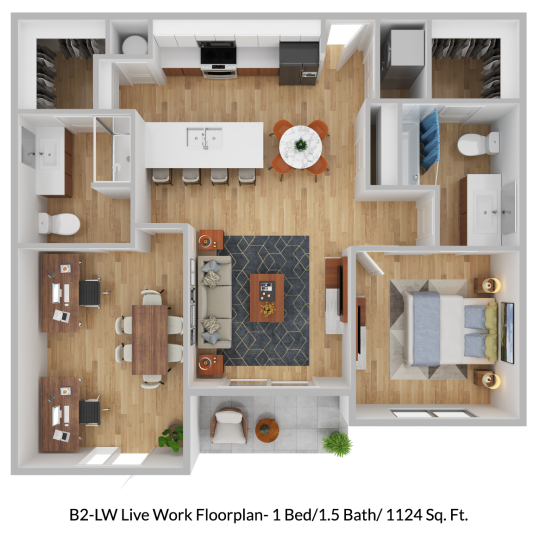
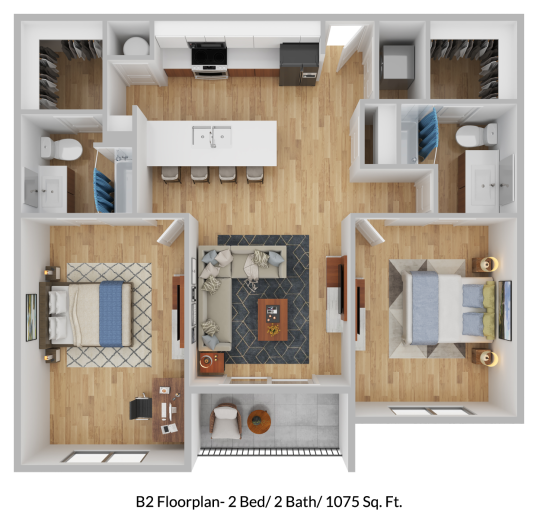
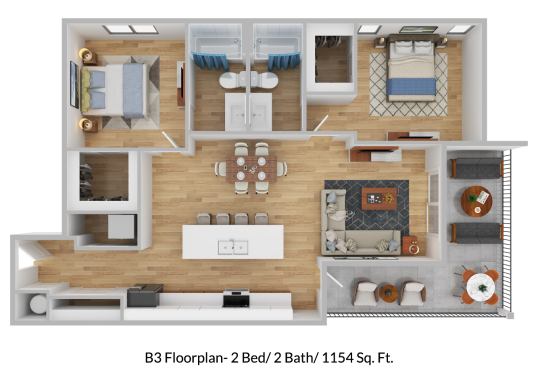
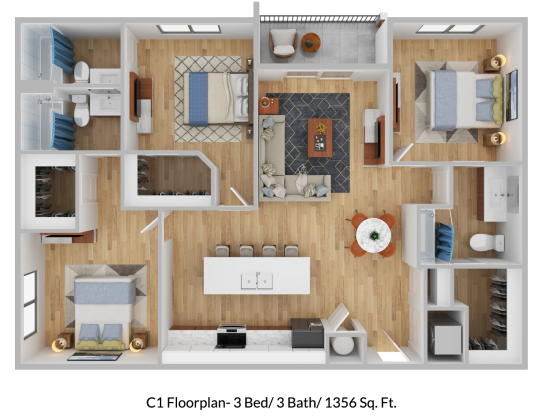
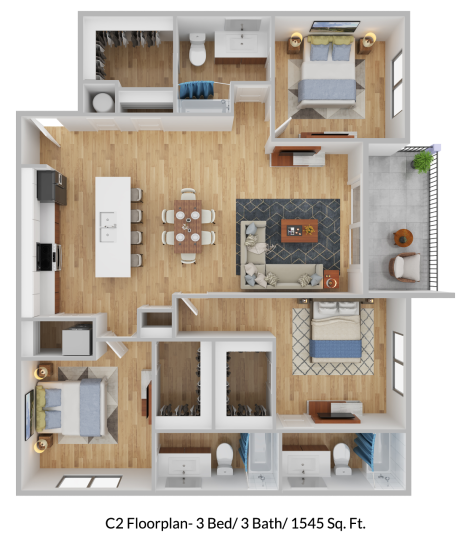
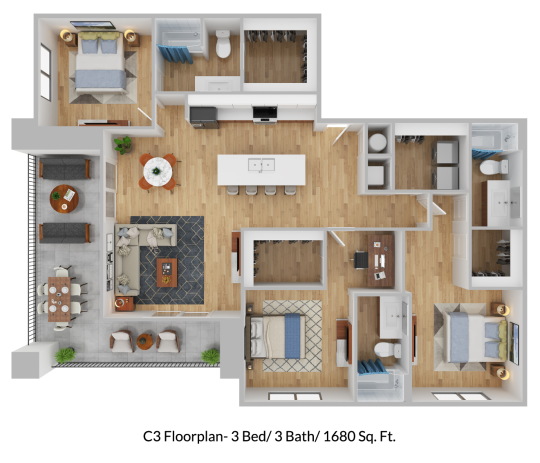
Start with the apartment itself, not just the pet policy headline. Blue Eastline offers one-bedroom and two-bedroom floor plans in the published information, and the right fit for two pets depends on how your household actually lives. Two cats may do well in a smaller layout if there is enough room for litter setup and separation. Two dogs, or a dog-and-cat mix, may need more breathing room and a clearer routine for feeding, sleeping, and crate or litter placement. Availability, pricing, and lease terms should be confirmed directly with the leasing team.
Ask about the exact home you are considering, especially if you are sensitive to stairs, elevator access, or proximity to exits for walks. The community has elevators, which can matter in a meaningful way when you are taking dogs out multiple times a day. That is not a reason by itself to choose a home, but it is the kind of practical detail that becomes more important with two pets than with one.
If you have one car or need occasional help from pet sitters, walkers, or family members, also review the parking and guest rules in advance. Guest parking is in designated areas, and guests register through posted QR-code instructions. If someone may regularly stop by to help with your animals while you are at class, clinical rotations, or long work shifts, understanding how guest parking works ahead of time can prevent avoidable headaches.
A good final step is to request a written breakdown of all move-in and monthly pet charges, then compare that with your full routine near campus. Ask what documents are needed, whether there are any additional building or DNA-registration style requirements, and whether there are any pet rules for common areas. If you want to see whether Blue Eastline works for your specific two-pet household near ASU, the most useful next step is to contact the leasing office and ask them to review your exact pets, by type and breed, against the current written policy before you apply.