Yes. Blue Eastline, at 2058 East Apache Blvd. in Tempe, states that its community quiet hours are 10 PM to 8 AM, which directly matches what many renters near Arizona State University are looking for.
That said, a quiet-hours policy is only one part of the decision. If you want an apartment near ASU that actually feels manageable for sleep, studying, or early work shifts, it helps to evaluate the surrounding corridor, building setup, guest policies, amenity hours, and how noise complaints are handled.
What quiet hours near ASU do, and do not, tell you
Quiet hours from 10 PM to 8 AM set a clear baseline for resident expectations. In a university area like Tempe, that matters because late schedules vary widely. Some residents are undergraduates, some are graduate students, some work early, and some commute by light rail. A written quiet-hours window gives you a concrete standard instead of leaving noise disputes to guesswork.
At the same time, quiet hours are not the same thing as guaranteed silence. Near ASU, activity can come from several sources that are separate from a lease rule, including nearby traffic, pedestrians, trains, deliveries, or neighborhood events. Apache Boulevard is also a major east-west corridor in Tempe, and the Valley Metro Rail runs along Apache Boulevard through the ASU area, so renters should distinguish between community policy and the broader street environment around the building.
Another practical point is that a noise policy matters most when there is a way to enforce it. Blue Eastline states that Courtesy Patrol is available by phone after office hours, from 6:00 PM to 5:00 AM, on an on-call basis for noise complaints and other non-emergency matters. For a renter who is specifically worried about overnight disruption, that is more useful than a quiet-hours line by itself because it shows there is at least an after-hours reporting option.
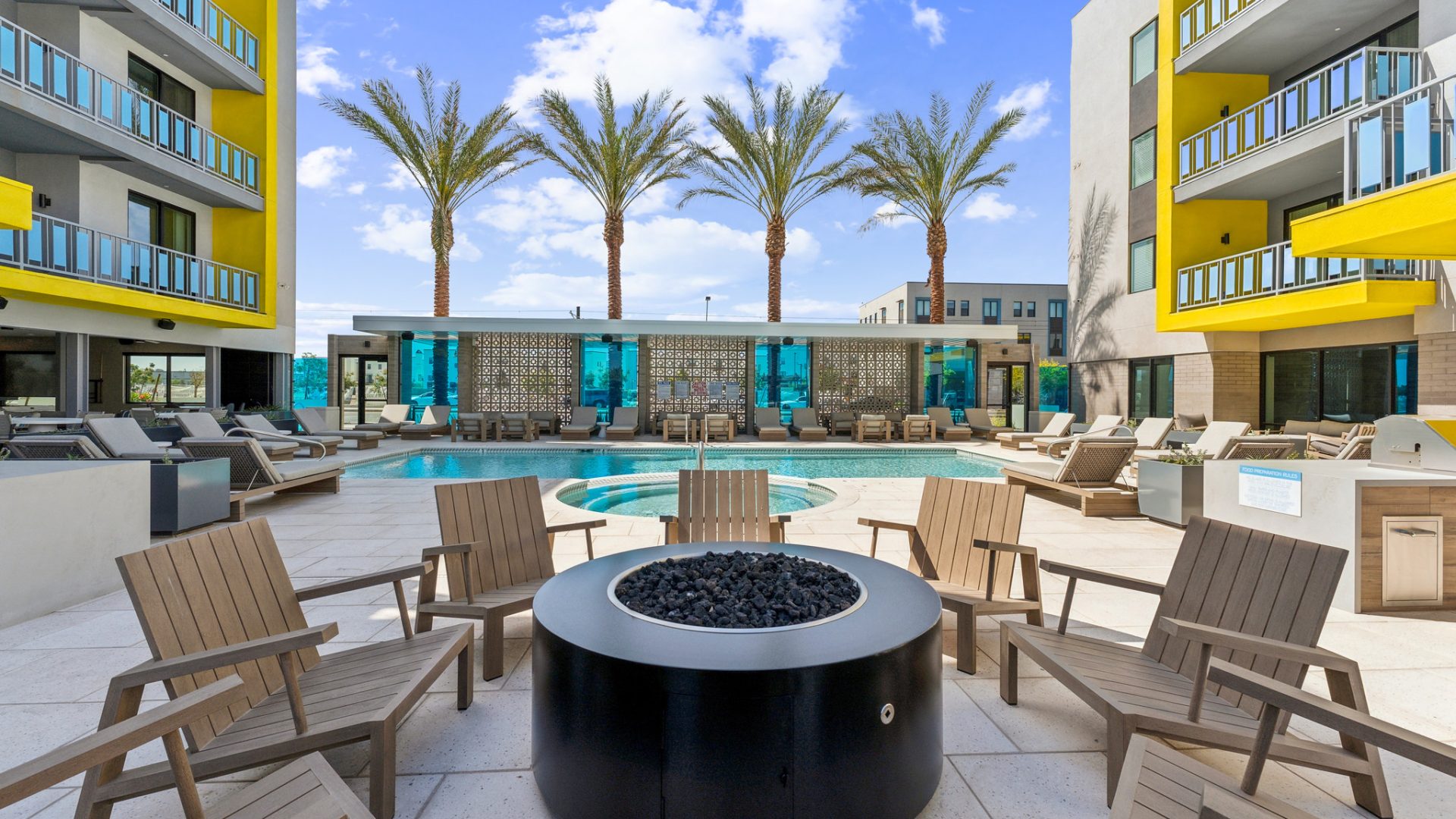
You should also read quiet hours alongside related rules. Blue Eastline states that the pool is open daily from 8:00 AM to 10:00 PM, which aligns with the start of quiet hours, and that each resident may bring up to two guests in amenity areas. Those details do not prove a community will be quiet, but they help you understand whether late-night amenity use is formally limited or likely to spill into the hours when you are trying to sleep.
How to judge whether this part of Tempe will feel quiet enough for you
When people search for apartments near ASU with quiet hours from 10 PM to 8 AM, they often mean two slightly different things. One is, “Does the lease community have a rule?” The other is, “Will I personally be able to sleep and focus there?” Around ASU, those are not always the same question, because proximity to campus usually comes with more activity than neighborhoods farther from the university core.
Blue Eastline is on East Apache Boulevard, and the community says residents can walk to a light rail station. That can be a major advantage if you want car-light access to ASU and the rest of Tempe, Phoenix, and Mesa. The trade-off is straightforward: homes near rail access and a major corridor can be easier for transportation and daily routines, but some renters are more sensitive to street and transit noise than others.
Your own schedule should shape how you evaluate that trade-off. If you are a student who studies late and sleeps later in the morning, a 10 PM to 8 AM rule may be enough structure. If you are a nurse, teacher, airport worker, or anyone starting very early, you may care much more about hallway activity, trash collection timing, train noise, and whether your specific home faces the street, the pool, or an interior area.
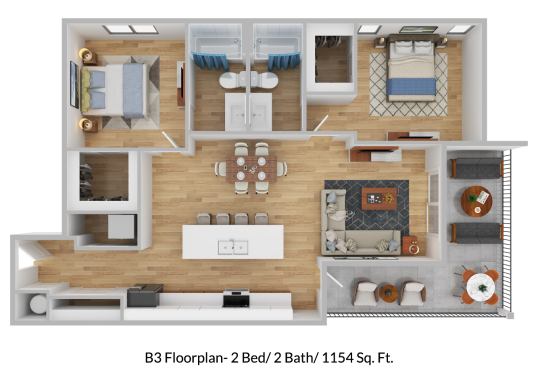
The best way to verify fit is to visit with your actual routine in mind. Tour in the evening if possible, stand inside the specific available apartment, and listen with the windows closed. Ask whether the home faces Apache Boulevard, the rail line, the pool, a parking area, or another gathering space. A community can have the right policy on paper, but unit position often makes the biggest difference in how quiet it feels night to night.
Property details that matter if quiet is your priority
For this search, the most relevant Blue Eastline fact is the rule itself: the community says quiet hours are 10 PM to 8 AM. Beyond that, a few other stated policies can help you judge how the rule may function in real life. The community is gated, which can matter to some renters because controlled access may reduce casual cut-through traffic compared with a fully open site.
Blue Eastline also offers onsite co-working facilities with multi-purpose work areas and private conference rooms or rentable spaces. That matters for a quiet-hours question because some renters are trying to solve for both daytime focus and nighttime rest. If you work or study from home, having a separate place to take calls or do concentrated work can reduce pressure to rely on your apartment for every kind of quiet at every hour.
Guest and amenity rules also shape the noise picture. The community states that guests may stay up to 14 days within a 30-day period and no more than 7 consecutive days, and that residents should reach out for larger gatherings. It also says the clubhouse is first-come, first-served rather than reservable. None of that guarantees a certain atmosphere, but it gives you a more realistic sense of how social activity is managed.
If you are seriously comparing options near ASU, keep the next step simple: ask for the current community policy in writing, ask how after-hours noise complaints are handled, and ask to see the exact available apartment you would lease. For renters who want apartments near ASU with quiet hours from 10 PM to 8 AM, that combination of written rules and unit-specific touring will tell you much more than a listing headline alone.