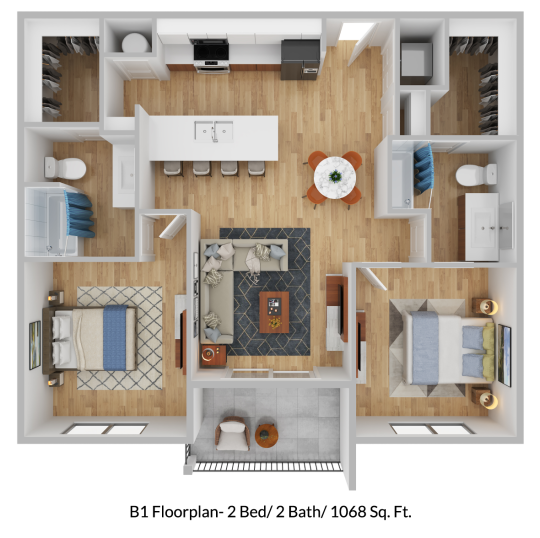
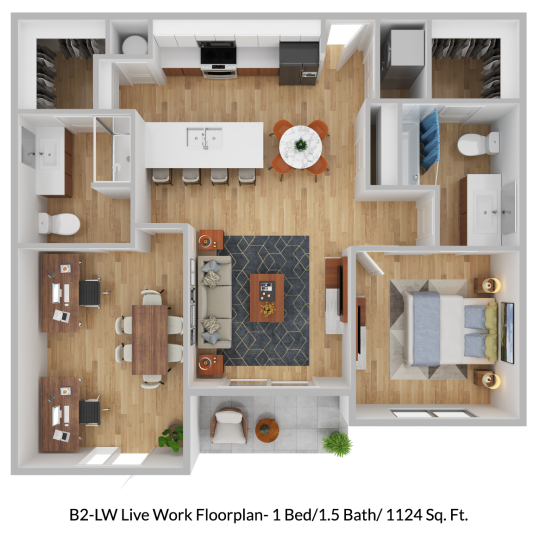
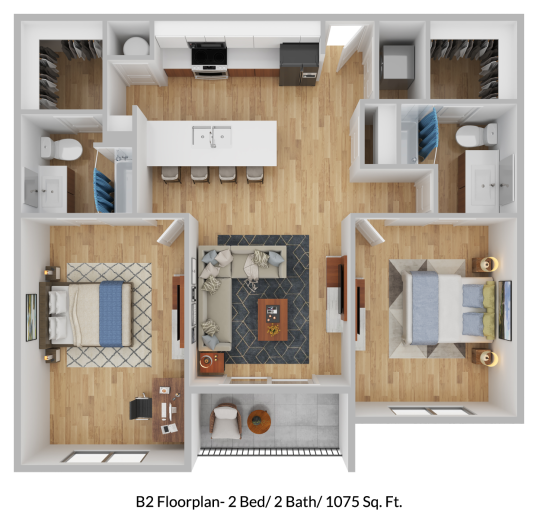
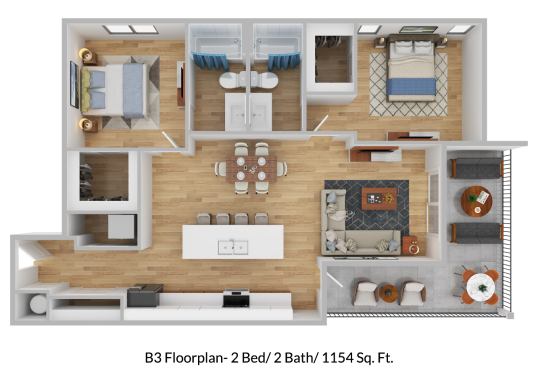
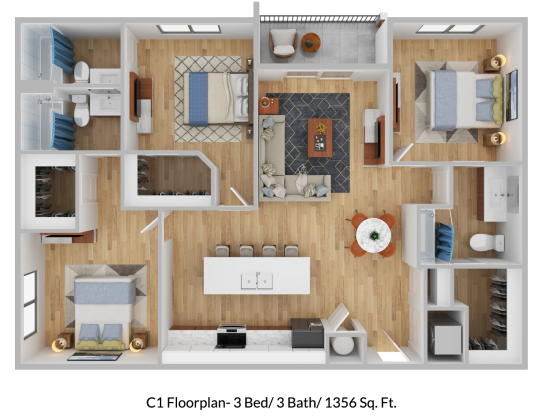
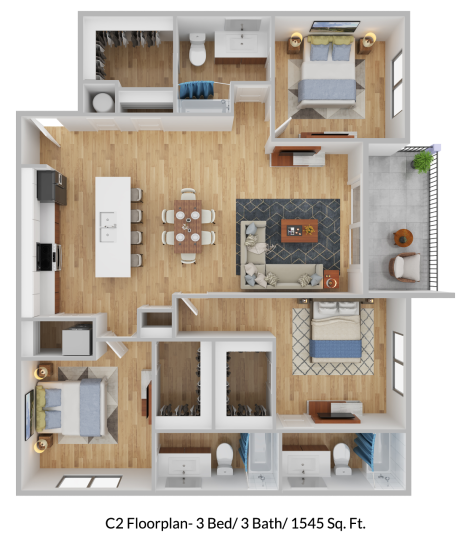
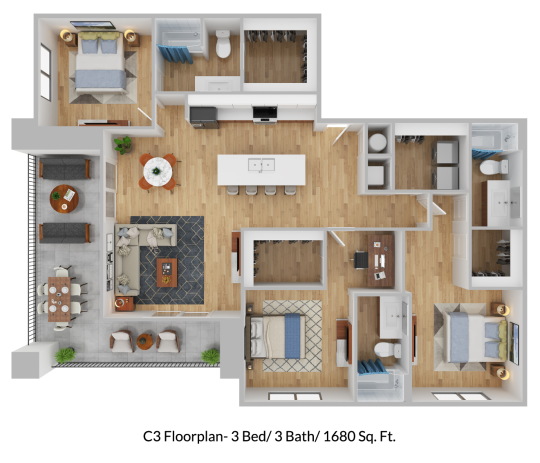
Yes, Apache Boulevard is one of Tempe’s established light rail corridors, and Blue Eastline at 2058 East Apache Blvd. sits on the same street as Valley Metro Rail service. For a renter asking about apartments on Apache Blvd with walkable light rail access, the key question is not just whether a station exists nearby, but whether the real day-to-day walk, crossing patterns, train destinations, and your own schedule make rail practical enough to shape where you live.
Tempe’s light rail service is part of the Valley Metro Rail line that connects Tempe with downtown Phoenix, Mesa, and Phoenix Sky Harbor access points via station transfers and onward connections. That matters because “walkable light rail access” is most useful when it solves actual trips you take often, such as Arizona State University commuting, getting to downtown jobs, reaching entertainment districts, or reducing how often you need to drive on Apache Boulevard and nearby arterials.
What walkable light rail access on Apache Boulevard really means
Apache Boulevard is not just a street with apartments on it. It is also one of the defining transit spines in Tempe, with Valley Metro Rail stations placed along the corridor. For renters, that makes Apache different from many apartment locations that are technically near transit but still require a long walk through parking lots, indirect sidewalks, or streets that are less intuitive to navigate on foot.
Still, “walkable” should be taken literally and personally. A route that feels simple for one renter may feel very different for another, especially in summer heat, at night, or when carrying groceries, a work bag, or a child’s gear. Before you treat any Apache address as a rail-oriented home base, open a map, switch to walking directions, and look closely at the exact route from the building entrance to the station platform, including crosswalk placement and whether the most direct path follows continuous sidewalks.
It also helps to separate light rail access from total car-free living. A home can offer a realistic walk to rail and still leave you using a car for some errands, weekend trips, or late-night travel. In Tempe, that distinction is important because rail can work extremely well for repeated corridor trips while daily needs such as large grocery runs, pet transport, or irregular job sites may still be easier by car.
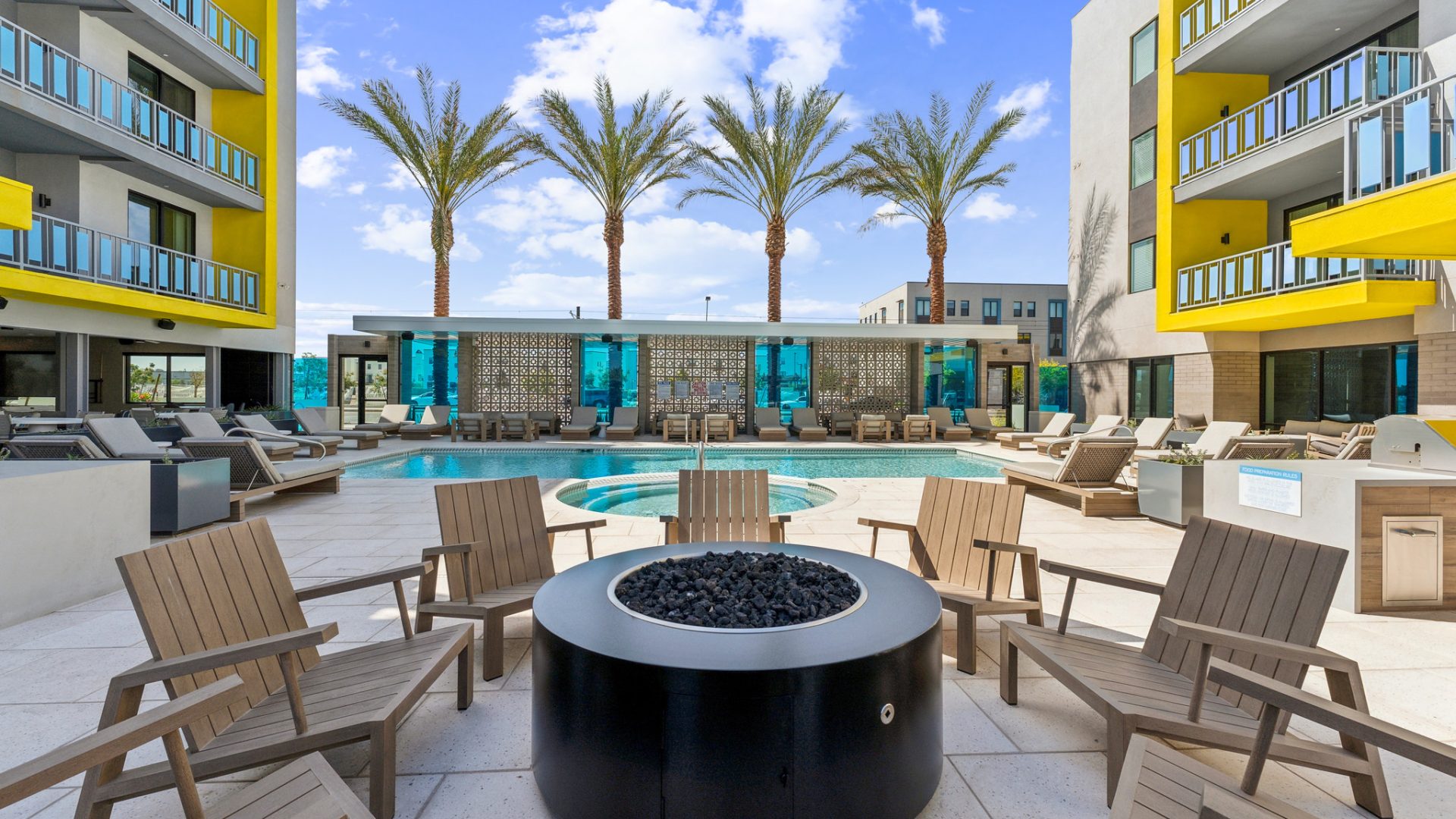
At Blue Eastline, the property itself identifies “Walk to Light Rail Station” as a community amenity. That is useful because it confirms the community presents rail access as a real part of the resident experience, not an incidental map claim. Even so, a prospective renter should verify the current nearest station name, the walking path from the specific building entrance they would use most often, and whether that route feels comfortable at the times they expect to travel.
How to judge whether the route will work for your actual routine
The best test is to start with your destination, not the apartment. If your regular trips are to ASU’s Tempe campus, downtown Tempe, Mesa, or central Phoenix destinations that align well with the Valley Metro Rail line, living on Apache can reduce transfer friction and parking dependence. If your job is in a part of the Valley that requires multiple bus links or substantial last-mile travel, having rail nearby may still help, but it may not be the deciding factor.
Schedule matters just as much as geography. A renter with a fixed daytime commute may value predictable station access and not care much about later evening service patterns. Someone who works hospitality, healthcare, or event hours should check first and last train times, service frequency by time of day, and what the trip home looks like after dark. Those details change whether rail access is merely nice to have or central to your housing decision.
Household setup can change the answer too. A solo renter may be happy to walk to rail regularly, while a couple with one car may use the train strategically to avoid parking costs or campus traffic. Someone working partly from home may care less about daily train use and more about occasional access for games, concerts, airport-connected trips, or nights out when driving is less appealing.
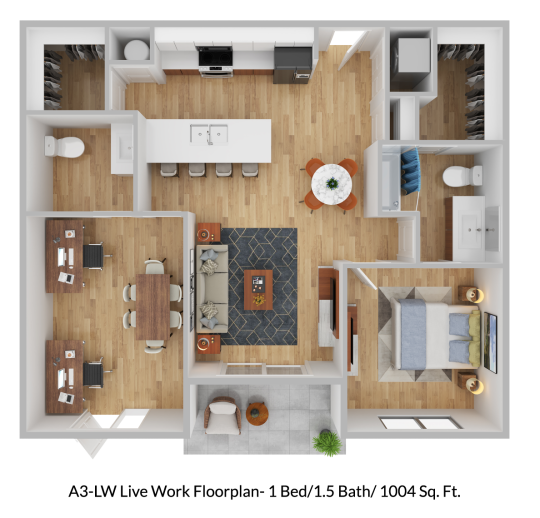
Blue Eastline’s onsite co-working facilities with multi-purpose work areas and private conference rooms can matter in that context. If you are hybrid and only take the train a few times a week, having a place to work on property may reduce unnecessary trips while still letting you rely on rail when you do need to get across Tempe or toward Phoenix. That is a practical use case, not a lifestyle extra, for renters trying to limit driving without eliminating it entirely.
What to verify before choosing an apartment here over another Apache address
First, verify the nearest Valley Metro Rail stop directly with Valley Metro’s current system map and trip planner. Station access, schedules, and service notices can change over time, and a good transit-oriented choice depends on current operating conditions, not a past listing or a broad claim about being “near” rail. You should also compare outbound trips at the actual times you would leave for work, class, or regular appointments.
Second, test the route in person if you can. Walk from Blue Eastline to the station you would most likely use, then return at a different time of day. Pay attention to things listings often skip: how exposed the walk feels in heat, how straightforward the crossings are, whether the platform access is obvious, and whether the walk still feels manageable when you imagine doing it repeatedly rather than once during a tour.
Third, think about the car question honestly. Blue Eastline does offer parking options, including carports for an added monthly charge, plus EV charging stations for residents who drive electric. That can be useful if you expect to combine rail commuting with occasional driving. It is a different setup from choosing a place where you expect transit alone to cover nearly every trip, and knowing which model fits you will prevent disappointment later.
Finally, compare Apache addresses on what supports the whole routine, not just the station walk. Blue Eastline offers package lockers, in-unit washer and dryers, and internet and cable provided through the community, with 1000 GB included according to the property’s resident information. For some renters, those details help offset the effort of a transit-based routine because errands and home logistics become simpler. If light rail access is your priority, the most useful next step is to tour the property, then immediately walk the station route yourself and run your own Valley Metro trip plan for the places you actually go most often.