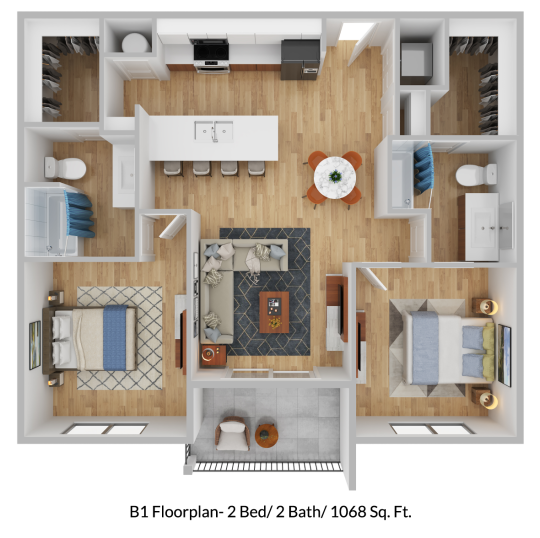
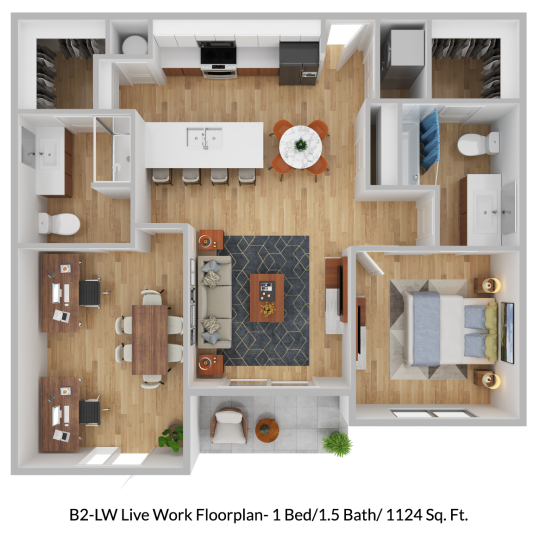
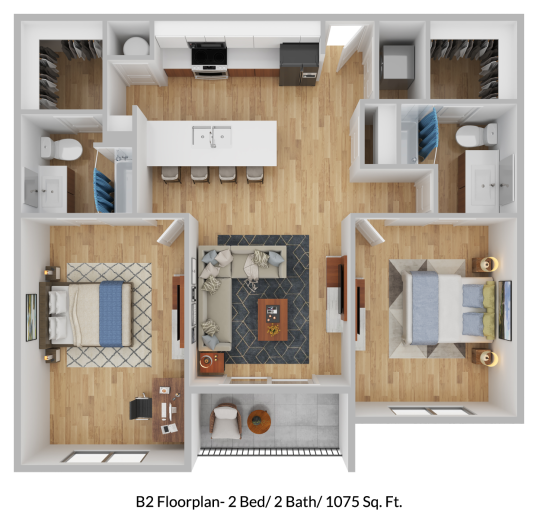
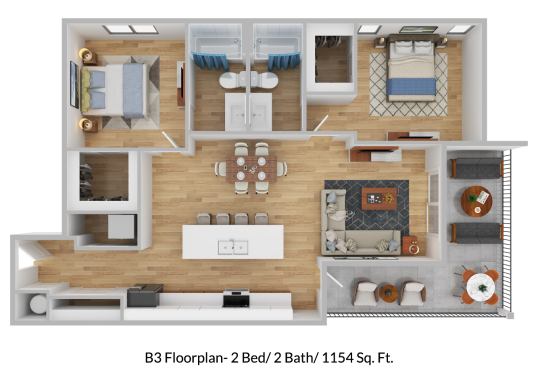
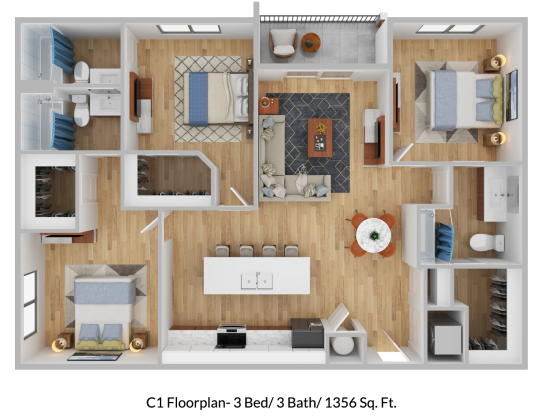
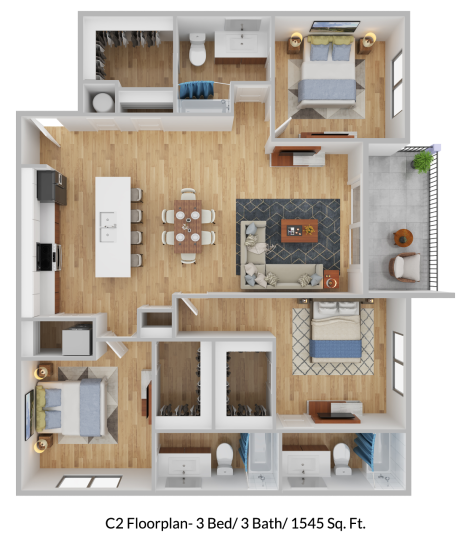
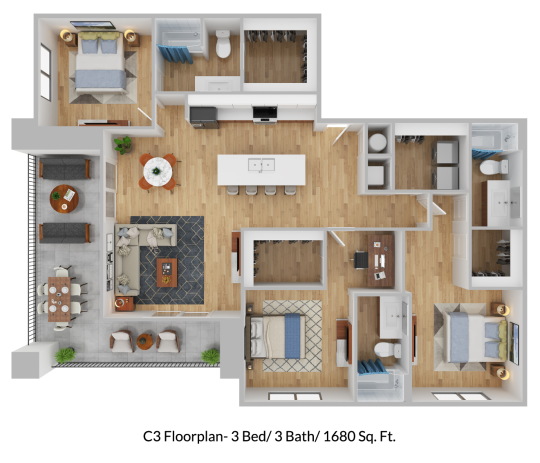
Yes, Blue Eastline is an apartment community on East Apache Boulevard in Tempe, and its own published amenities say residents can walk to a light rail station. For guests, the practical answer is just as important: guest parking is in designated spaces, registration is handled by QR code signage in the parking area through a third-party app, and the community states guest parking is typically limited to up to 48 hours when the stay duration is entered at registration and any applicable fees are paid.
That means this is not just a question about transit access. If you are comparing apartments near Tempe light rail with guest parking registration, you should evaluate two things together: how easy it is for you to use Valley Metro Rail for daily trips, and how simple it will be for visitors to park legally without risking a tow.
What “near Tempe light rail” should mean in real life
Tempe’s light rail service is part of Valley Metro Rail, which runs through the city along the Apache Boulevard corridor before continuing west toward Phoenix and east toward Mesa. For a renter, the value of living near the line depends less on the phrase itself and more on whether your daily destinations are actually on or near rail stations, such as Arizona State University areas, Downtown Tempe connections, Phoenix job centers, or destinations farther west and east on the line.
Apache Boulevard is one of the most transit-oriented stretches in Tempe, and that matters because station spacing, street crossings, and frequency of nearby destinations can change how useful rail feels from one apartment to another. An apartment may be “near” the line on a map but still feel less practical if the walk involves indirect crossings, poorly timed signals, or a longer trek carrying groceries or work gear. The most reliable way to judge this is to map the exact walk from the leasing office or your likely building entrance to the nearest Valley Metro Rail station, then compare that with your most common destinations.
Blue Eastline’s location at 2058 East Apache Boulevard places it on the same corridor as the rail line, and the community specifically advertises walk-to-light-rail access. That is the most relevant established property fact for this question. If transit is central to your routine, ask the leasing team which station residents typically use, then verify the walking route yourself on a map and, if possible, in person at the time of day you would actually travel.
It is also worth checking current Valley Metro schedules, service alerts, and first-train and last-train times directly with Valley Metro before you lease. Rail access can be excellent for commuting, class schedules, airport-area connections by transfer, and car-light living, but the fit depends on your own start times and return times. A route that works well at 8:30 a.m. may be much less appealing if you routinely leave before sunrise, return very late, or need destinations that still require a bus transfer after rail.
How guest parking registration changes the visitor experience
At Blue Eastline, guest parking is not informal curb parking or an office-issued paper pass. The community says guests should use designated guest spaces, and registration is done at the time of parking by scanning the QR code posted on parking-lot signage. That is useful for visitors because it allows them to handle parking when they arrive, but it also means they need to read the signs carefully, follow the app steps correctly, and be prepared for any stated fee.
The property’s published FAQ also says guest parking is typically allowed for up to 48 hours if the duration is entered during registration and applicable fees are paid. For many renters, that is the most important practical limit. A short dinner visit, weekend guest, or family member staying a night or two may fit the system well, but anyone planning longer visits should verify approval requirements with the leasing office in advance rather than assuming a guest can simply keep renewing parking.
There is another important limitation the community states clearly: guests may not park in resident-assigned carports or spaces. So if you are trying to make life easy for frequent visitors, the question is not just whether guest parking exists, but whether your guests are comfortable using a separate designated area and completing registration correctly each time. If you expect older relatives, out-of-town guests, or visitors who are not very app-savvy, that is worth discussing before you sign.
Because towing enforcement and private parking rules can be strict at many apartment communities, the safest habit is to have guests register immediately after parking and save whatever confirmation the third-party app provides. Blue Eastline states that towing is enforced for parking-policy violations and identifies Kwik Tow as its towing company. That does not mean properly registered guests will have problems, but it does mean visitors should not guess, skip the QR process, or use a resident-only space just because it seems open.
Who this setup fits best, and what to verify before you lease
This combination of rail access and managed guest parking tends to work best for renters who want to rely on transit for their own trips while keeping occasional visitor parking organized rather than informal. If your household expects regular guests for dinners, study groups, or short stays, the system may be straightforward as long as everyone understands the designated-space and QR-registration process. If you host people who often stay more than two days, the 48-hour guidance becomes a key detail to clarify up front.
There is also a lifestyle trade-off worth recognizing. Living by a rail corridor can reduce the need to drive for some trips, but it does not eliminate the need to think through guest logistics. In other words, a transit-friendly home for residents does not automatically mean friction-free parking for visitors. The right question is whether your day-to-day priorities lean more toward your own access to the Tempe rail corridor or toward hosting guests who prefer easy, unrestricted car access.
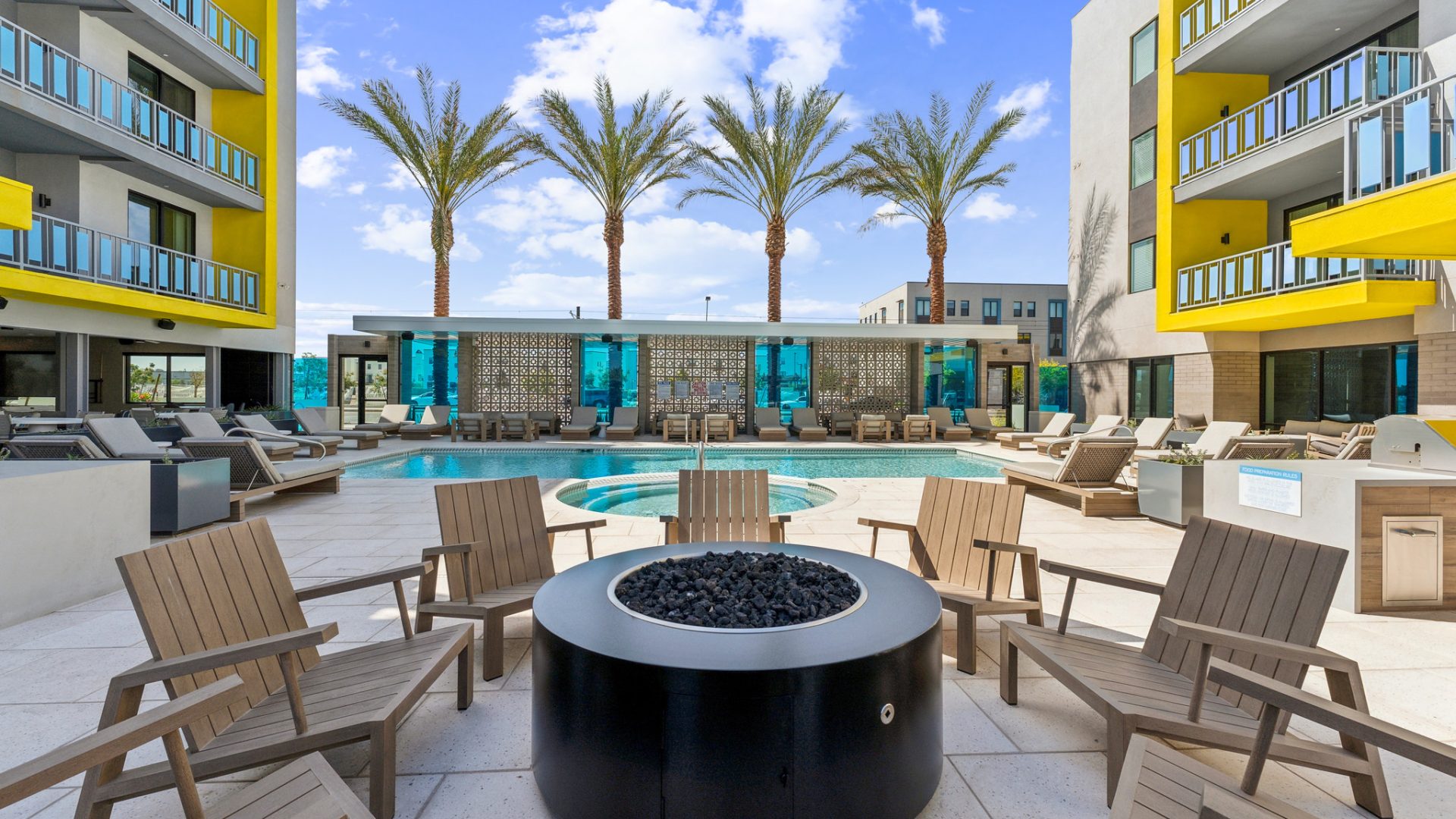
Blue Eastline has some property features that may matter if transit access is part of a broader car-light routine. The community lists onsite co-working facilities, private conference rooms, package lockers, elevators, EV charging stations, and resident amenities such as in-unit washers and dryers. Those are not substitutes for rail service, but they can reduce extra trips and support a routine where you leave the car parked more often. If that is part of your decision, confirm which amenities you would actually use rather than treating them as automatic value.
A low-pressure next step is to do one practical test before deciding: map your walk from 2058 East Apache Boulevard to the nearest Valley Metro Rail station, then ask the leasing team to explain exactly how a weekend guest would park, register, pay if required, and handle a stay approaching 48 hours. That single check will tell you far more than a generic “near light rail” label.