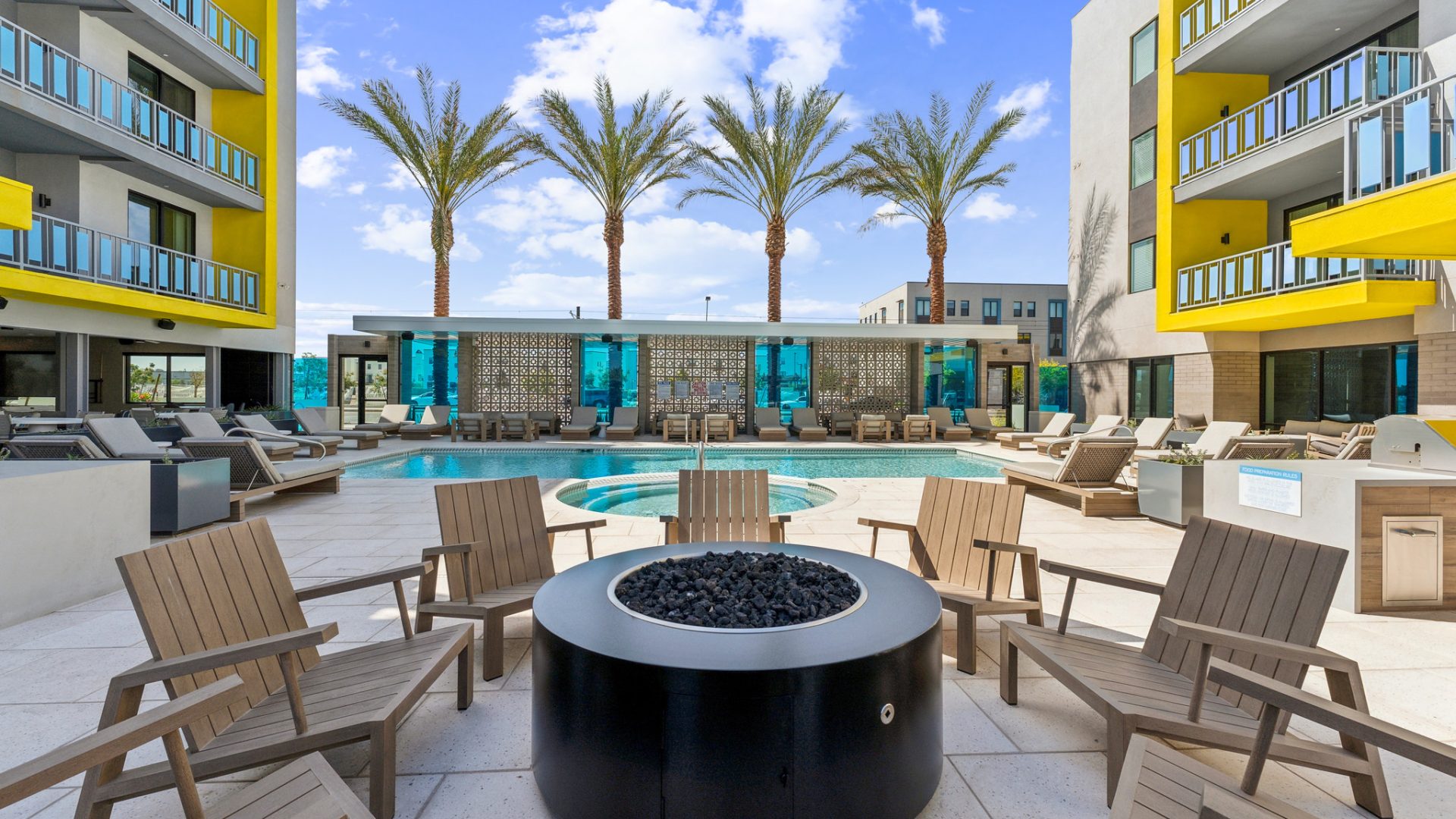
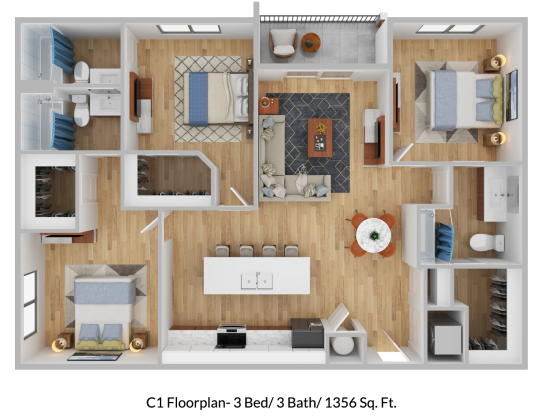
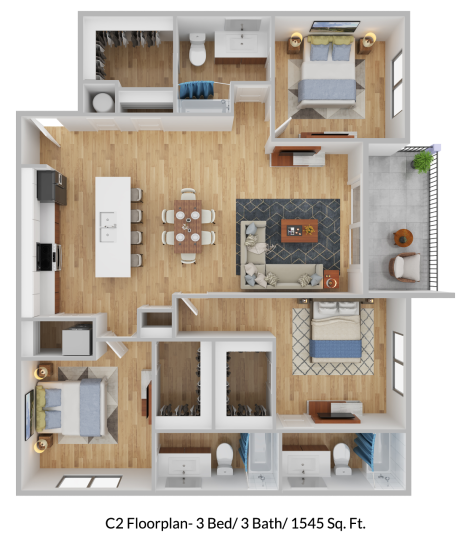
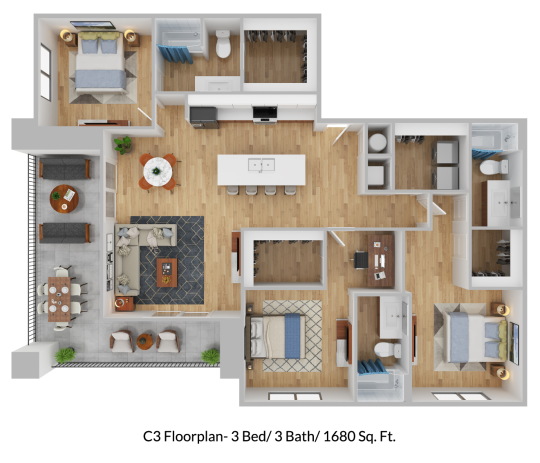
Yes, there are apartments near ASU with guest parking for weekend visitors, but the details matter more than the headline. At Blue Eastline in Tempe, guests park in designated guest spaces, register through a QR-code system posted on site, and are typically allowed to park for up to 48 hours if they state the duration at registration and pay any applicable fees.
That matters because Arizona State University’s Tempe area is one of the harder places in the Valley to handle casual overnight parking. Between campus demand, event traffic, and dense apartment corridors along Apache Boulevard, a community with a defined guest-parking process can be much easier for visiting family or friends than a building where guests have to guess, circle blocks, or risk towing.
What weekend guest parking near ASU should really mean
For most renters, “guest parking” near ASU should mean three separate things: there are designated places for visitors to park, visitors can legally use them without borrowing a resident’s assigned space, and the rules are clear enough that a Friday-to-Sunday visit does not become a towing problem. In Tempe, that distinction is important because an apartment may have parking on site without offering a practical system for non-residents.
Blue Eastline does have designated guest parking areas, and guests are directed to follow signage and use the QR code posted near those spaces to register and pay for parking. That is more useful than vague “guest parking available” language, because it tells a renter how a visitor actually gets authorized to stay on site.
The stated guest-parking duration is typically up to 48 hours, provided the guest enters the duration when registering and pays any applicable fees. For a standard weekend visit, that policy is often the cutoff to think about first. If your visitors usually arrive Friday evening and leave Sunday afternoon, a 48-hour allowance may line up well. If they stay longer, you should ask the leasing team what approval process applies before you rely on it.
It also matters that guests are not permitted to use resident-assigned carports or spaces. That is a practical limitation, not a negative surprise, because many communities near ASU enforce this strictly. If you expect parents, siblings, or friends to visit regularly, a separate guest area is usually better than an informal “just use my spot” arrangement that can create confusion or enforcement risk.
Why this matters more around ASU and Apache Boulevard
ASU’s Tempe campus generates steady traffic from students, staff, visitors, and event attendees, and nearby housing competes for curb space and on-site parking all year. Apache Boulevard is also a major apartment corridor, with light rail access and a high concentration of residents living close to campus. In that setting, weekend parking can be tighter than renters expect, especially during move-in periods, games, family weekends, graduation, and other university events.
That is why an on-site registration system can be more important than whether parking is technically free. A visitor who can arrive, scan posted instructions, register the vehicle, and park in a marked guest area usually has a clearer path than someone trying to interpret street restrictions or campus visitor rules late at night.
Blue Eastline is on East Apache Boulevard, which places it in the part of Tempe where proximity to ASU is attractive, but also where parking rules tend to matter. The community is also a walkable light rail property, which can help visitors once they are parked. If your guests want to spend part of the weekend on campus, at downtown Tempe, or elsewhere along the Valley Metro Rail line, being able to leave the car in a legal guest space and use transit can reduce repeat parking headaches.
There is a trade-off to understand: structured guest parking with registration is more predictable, but it is not the same as unlimited visitor parking. Blue Eastline uses towing enforcement for parking violations and works with Kwik Tow, so the practical lesson is simple. A renter who hosts often should assume the rules will be enforced and should make sure guests follow the registration process every time.
How to judge whether Blue Eastline fits your visitor routine
If weekend visits are part of your normal life, ask not only whether guest parking exists, but how your real pattern fits the rules. One visitor arriving in a single car for less than two days is a different situation from multiple guests, overlapping arrivals, or relatives who may stay several nights. Blue Eastline states there is no specific limit to the number of guest vehicles allowed to park, but all guests must use designated spaces and follow property policies. That makes availability and compliance more important than a simple vehicle cap.
You should also think about timing. Blue Eastline’s leasing office is open Monday through Friday from 10:00 a.m. to 6:00 p.m. and Saturday from 10:00 a.m. to 4:00 p.m., while Sunday is closed. Because guest registration is handled through on-site signage and a third-party app, a weekend arrival does not appear to depend on the office being open, but it is still smart to verify current instructions before your first visitor arrives.
For renters comparing options, the strongest follow-up questions are practical ones: Where exactly are the guest spaces? Are fees flat or variable by stay length? What happens if a guest needs slightly more than 48 hours? Are there blackout periods or heavier enforcement during major ASU events? Those answers can affect your experience more than interior finishes or even the total parking count.
If you want to live close to campus without making visitors improvise, Blue Eastline is worth asking about specifically because the community already discloses the basics that matter: designated guest parking, QR-code registration, typical 48-hour use, and separate rules from resident spaces. A good next step is to contact the leasing team and ask them to walk you through the weekend guest-parking process from arrival to departure, so you can judge whether it matches how your own visitors actually travel.