Yes, if you are looking for apartments near Arizona State University with package lockers, Blue Eastline is one option to consider. The community states that residents receive deliveries through package lockers rather than through the leasing office, which matters if you spend long hours on campus, order textbooks or supplies online, or want a more secure pickup process than leaving packages at your door.
Arizona State University’s Tempe campus generates exactly the kind of delivery routine that makes lockers useful: class materials, electronics, lab supplies, daily essentials, and time-sensitive shipments. Before you choose any apartment near ASU, the practical question is not just whether lockers exist, but how the system works for your schedule, whether you need to register in advance, and what happens when a guest or roommate expects a package.
Why package lockers matter for ASU renters
ASU’s Tempe campus is large, busy, and active well beyond a standard nine-to-five day. Students, graduate researchers, staff, and faculty may be out for classes, studio time, library sessions, athletic events, or campus jobs when deliveries arrive. In that setting, package lockers can reduce missed deliveries and make pickup easier after carriers have already come and gone.
They also solve a common problem in high-density housing near a major university: packages arriving while residents are away. A building may be close to campus, but that does not help much if the delivery process still depends on office staff availability or if packages are left unsecured in a common area. A locker system is useful because it separates delivery timing from pickup timing.
For ASU renters, this is especially relevant during move-in periods, midterms, and the start of each semester, when online ordering tends to spike. Textbooks, computer accessories, school supplies, and household basics often arrive within the same few weeks. If you rely on frequent deliveries, a locker system can be more practical than asking neighbors to collect boxes or trying to time your day around carrier arrival windows.
There is also a privacy and organization benefit. In communities that use lockers, residents are typically notified when a package is ready, then retrieve it using the access method provided by the system. That can be more predictable than checking with an office desk, and it reduces the chance that routine deliveries interfere with your class or work schedule. Because notification methods and pickup windows can vary by provider, it is smart to confirm the exact process before you lease anywhere.
What Blue Eastline confirms, and what you should still verify
Blue Eastline confirms that it has package lockers for residents. The community also states that the office does not hold resident packages, because deliveries are directed to the locker system instead. For a renter near ASU, that is a meaningful distinction, because it means package handling is built into the property’s routine rather than treated as an occasional front-office courtesy.
The property further states that you do not have to register with the package locker service before moving in. Residents receive the information needed to access and use the lockers as part of the move-in process. That can simplify setup if you are relocating to Tempe, arriving close to the semester start, or trying to coordinate utilities, internet, furniture delivery, and school logistics all at once.
There is one important limitation to understand: Blue Eastline states that package receiving and holding services are only available to residents, and guests cannot receive packages through the community. If you expect visiting family, a short-term guest, or a partner who does not live on the lease to have items sent there, you should plan for another delivery option, such as a carrier pickup location or campus-compatible alternative.
You should also verify the details that can affect day-to-day use but are not universally the same from one locker operator or carrier to another. Ask how oversized packages are handled, whether refrigerated deliveries are accepted, how long packages can remain in lockers before follow-up action is needed, and whether all major carriers use the system the same way. Those questions matter more than the simple yes-or-no amenity label, especially if you order frequently or receive larger shipments for school or work.
How to judge whether this setup fits your ASU routine
Start by thinking about how often you actually receive deliveries during a typical month at ASU. If you mainly order small items occasionally, almost any secure package system may work. If you receive regular shipments of books, teaching materials, electronics, or household items, then the details of notifications, pickup timing, and oversized-package handling become much more important to your quality of life.
Next, compare the package setup to your weekly campus pattern. Blue Eastline lists a walk-to-light-rail-station location, which may matter if your time is split between home and ASU’s Tempe campus or other Valley destinations served by transit. A resident who is often on campus from morning through evening may value being able to return and retrieve a package from lockers without needing the leasing office to be open at that moment. If that flexibility is important to you, confirm how residents are notified and whether pickup is tied to office hours or available independently through the locker system.
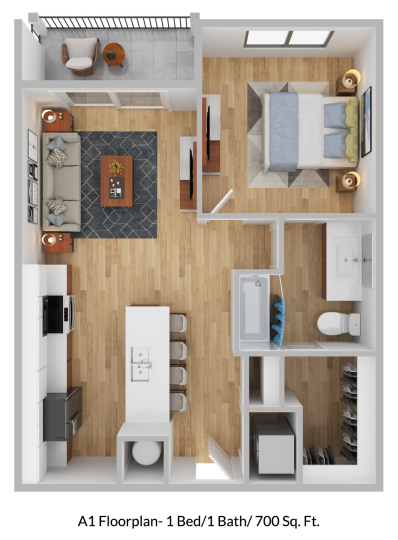
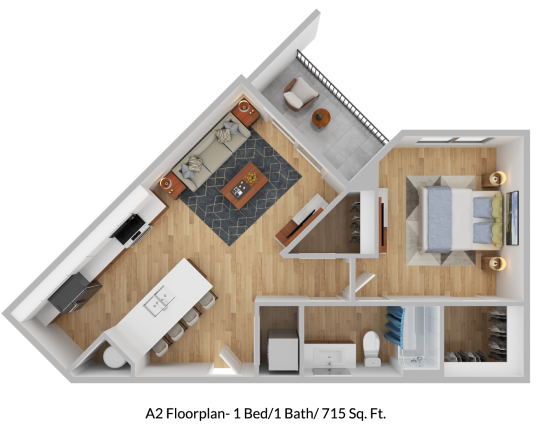
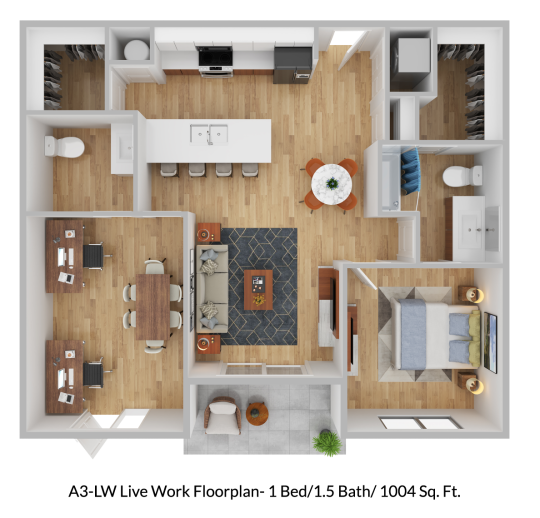
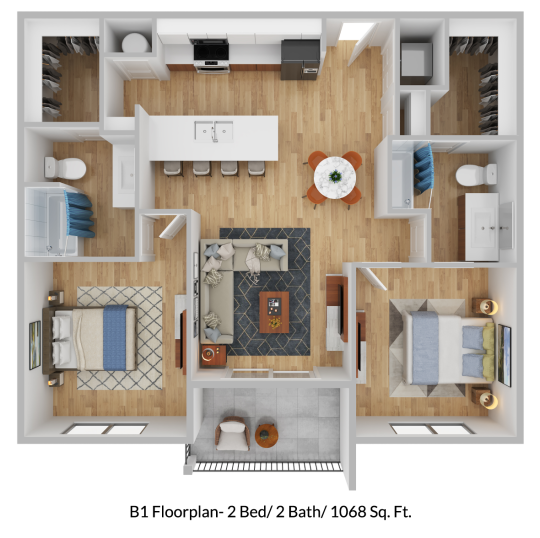
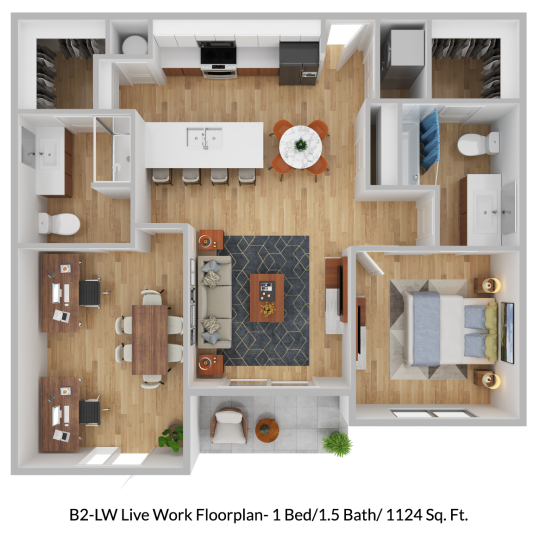
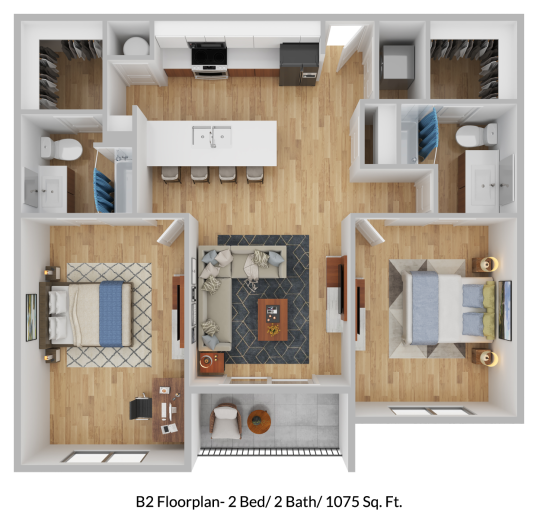
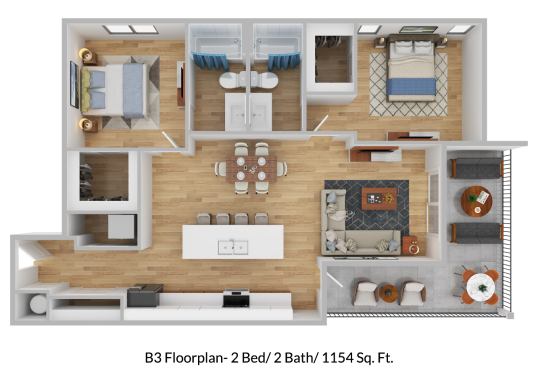
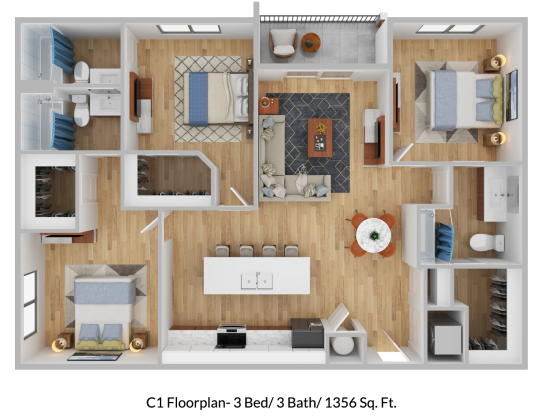
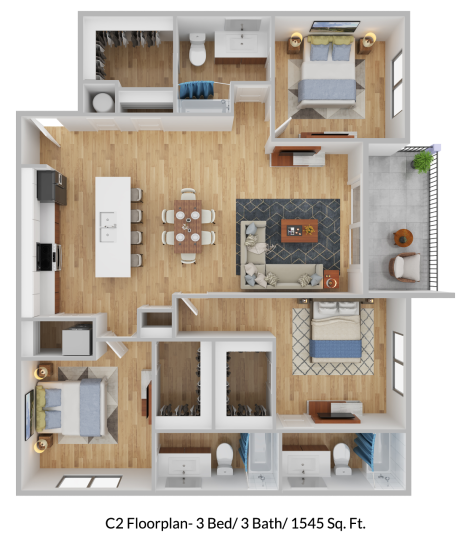
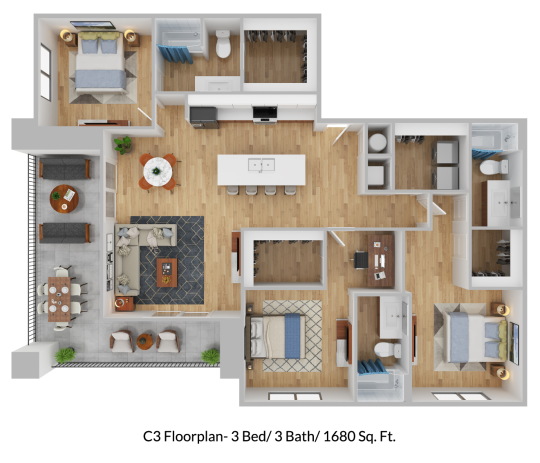
Household setup matters too. If you will live alone, package access is usually straightforward. If you will share a home, ask how deliveries should be addressed, whether each resident receives separate notifications, and how the system handles multiple leaseholders. Blue Eastline offers one-bedroom and two-bedroom layouts, but the right question here is less about floor plan size and more about how the locker workflow matches the number of people receiving packages at one address.
Finally, treat package lockers as one part of the larger ASU-housing decision, not the whole decision. Blue Eastline may be worth a closer look if secure package pickup is high on your list, especially because the community explicitly confirms the lockers and explains that residents do not need to pre-register before move-in. A practical next step is to contact the leasing team and ask for a brief walkthrough of how the locker system works in real life, including notifications, oversized items, guest limitations, and any pickup rules you would need to know before signing a lease.